

Bye-Bye Junk Fees: The End of Hidden Hotel Charges in NYC (And How to Book Without Surprises)
Disclosure: This post may contain affiliate links. We may earn a commission for purchases made through links in this post, at no cost to you.
Finally. After years of booking a $200 hotel room only to get slammed with a surprise $50 "resort fee" at checkout (in Manhattan, what resort?), NYC is putting an end to the nonsense. Starting February 21, 2026, hidden hotel junk fees are officially banned in New York City.
If you've ever felt that stomach-drop moment when your "great deal" suddenly wasn't so great anymore, this one's for you. Let's break down what's changing, what it means for your wallet, and how you can book hotels in New York City without the surprise charges.
The Junk Fee Scam: A Brief History of Getting Ripped Off
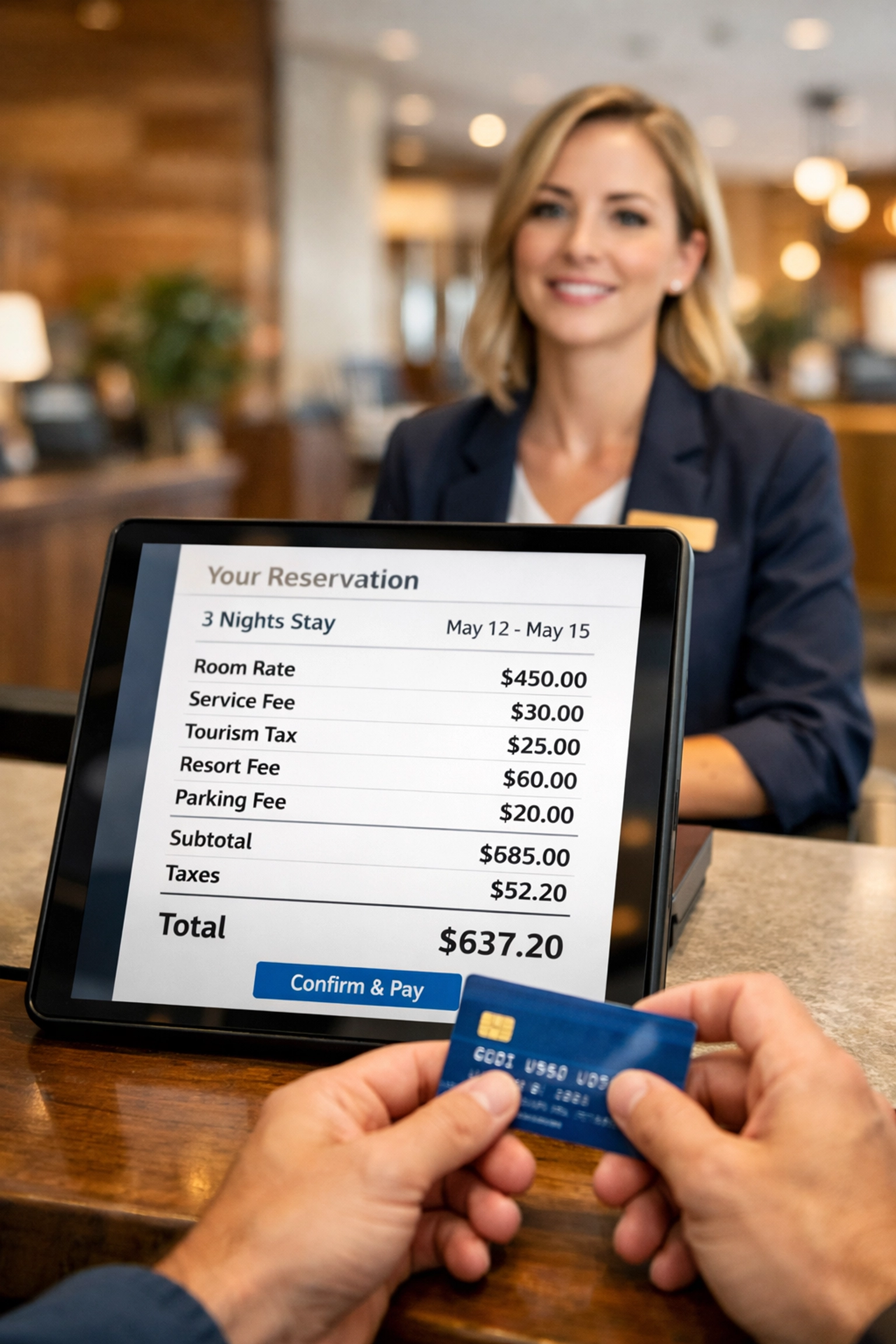
Here's how the old game worked: You'd search for cheap hotels in NYC, find a room listed at $179 per night, get excited about the price, and click "book." Then, surprise!, at checkout, there's a mandatory $35 "destination fee" or $40 "resort fee" tacked on. Suddenly your $179 room costs $219, plus taxes.
These fees had creative names: "hospitality service fees," "urban destination charges," "facility fees." They all meant the same thing: extra money that wasn't included in the advertised price. Hotels claimed these fees covered Wi-Fi, gym access, or bottled water, amenities that should've been part of the room rate in the first place.
The frustrating part? You couldn't opt out. They were mandatory, hidden until the last minute, and designed to make comparison shopping nearly impossible. How do you compare hotels when you don't know the real price until you're ready to hand over your credit card?
What's Actually Changing on February 21, 2026
NYC's new regulations aren't messing around. Here's what's being banned:
Hidden Resort, Destination, and Hospitality Fees: Any mandatory charge that wasn't clearly included in the advertised price is now illegal. If a hotel wants to charge it, it needs to be baked into the upfront price you see.
Surprise Mandatory Charges: Those "oops, forgot to mention" fees that appeared only at checkout? Done. The price you see is the price you pay (before taxes, which are separate and clearly disclosed).
Undisclosed Credit Card Holds: Hotels that place holds on your card or require advance deposits must tell you about it before you book. No more discovering a $250 hold on your checking account after you've already checked in.
The rule is beautifully simple: the advertised price must be the complete price. No asterisks, no fine print, no "gotcha" moments.
Who's Covered (Spoiler: Pretty Much Everyone)
This isn't just a NYC thing, it's bigger than you think. The ban applies to:
- Hotels physically located in NYC: Obviously. Every hotel in the five boroughs needs to show transparent pricing.
- Booking sites advertising to New Yorkers: If you live in NYC and you're browsing Expedia, Booking.com, or any other platform, they need to show you honest prices.
- Hotels outside NYC targeting NYC residents: Planning a weekend in the Catskills or the Jersey Shore? If that hotel is advertising to New Yorkers, they're covered by this rule too.
Basically, if you're a New Yorker or you're booking a room in New York City, you're protected.
Show Me the Money: How Much You'll Actually Save
Let's talk numbers. Economists estimate this ban will save consumers between $46 million and $67 million nationally in 2026, with about $35 million in savings going directly to NYC residents.
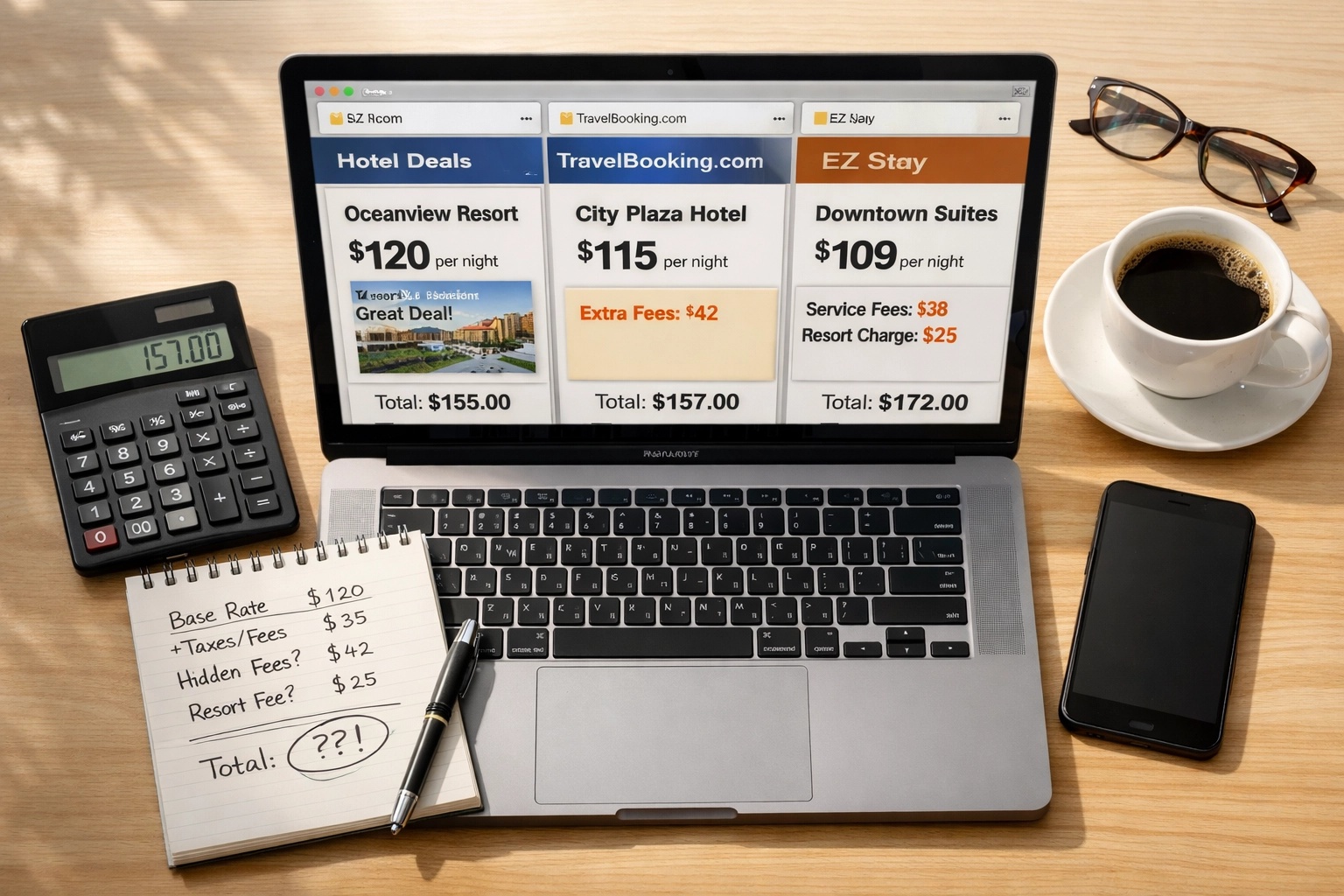
But here's the thing: the savings aren't just about the eliminated fees. It's also about the time you're not wasting anymore. Think about how long you used to spend clicking through multiple booking sites, opening tabs, calculating the "real" price of each hotel by hand. That's over. You can now compare hotels in New York City based on their actual prices and make faster, smarter decisions.
For a typical NYC hotel stay with a $40 resort fee over three nights, you're saving $120. For families booking multiple rooms or staying longer, the savings add up fast.
How PowerSearch NYC Makes This Even Easier
Here's where we come in. Even before the official ban kicks in, we've been helping travelers avoid junk fees with our 'No Resort Fee' filter. It's one of our most popular features because it does exactly what it says: shows you only hotels that don't charge those ridiculous extra fees.
Now that the ban is in effect, our search tool is even more powerful. When you search for cheap hotels in NYC on PowerSearch NYC, you're seeing honest, transparent pricing from the start. No hidden charges, no surprises, no math homework required.
You can filter by neighborhood, amenities, price range, and, yes: whether or not the hotel has a history of adding junk fees. We've built our entire platform around the idea that booking a hotel shouldn't feel like navigating a minefield.

What This Means for Your Next NYC Trip
Let's get practical. Here's what changes when you book your next hotel:
Comparison Shopping Actually Works Now: You can finally compare apples to apples. If Hotel A shows $200/night and Hotel B shows $225/night, that's actually what you'll pay (plus standard taxes). No more "Hotel A is secretly $245 once you add the fees."
Budgeting Gets Easier: When you're planning a NYC trip, you can set a hotel budget and stick to it. If you've got $600 for three nights, you know exactly what you can afford without leaving wiggle room for surprise charges.
Better Value for Your Money: Hotels can't hide behind low advertised rates anymore. They need to compete on actual value, which means better service, better amenities, and more transparent pricing across the board.
Faster Booking: No more opening eight tabs, grabbing a calculator, and making spreadsheets. Find a room you like at a price you can afford, and book it. Done.
Enforcement: They're Not Playing Around
The NYC Department of Consumer and Worker Protection is handling enforcement, and they're serious about it. After receiving hundreds of complaints about hidden hotel fees in 2025, they've committed to:
- Regular inspections of hotel pricing practices
- Financial penalties and fines for violations
- Legal action against repeat offenders
Hotels that were already pricing transparently don't need to change anything. But the ones that built their business model around hidden fees? They're scrambling to restructure. Good.
How to Book Smart in 2026
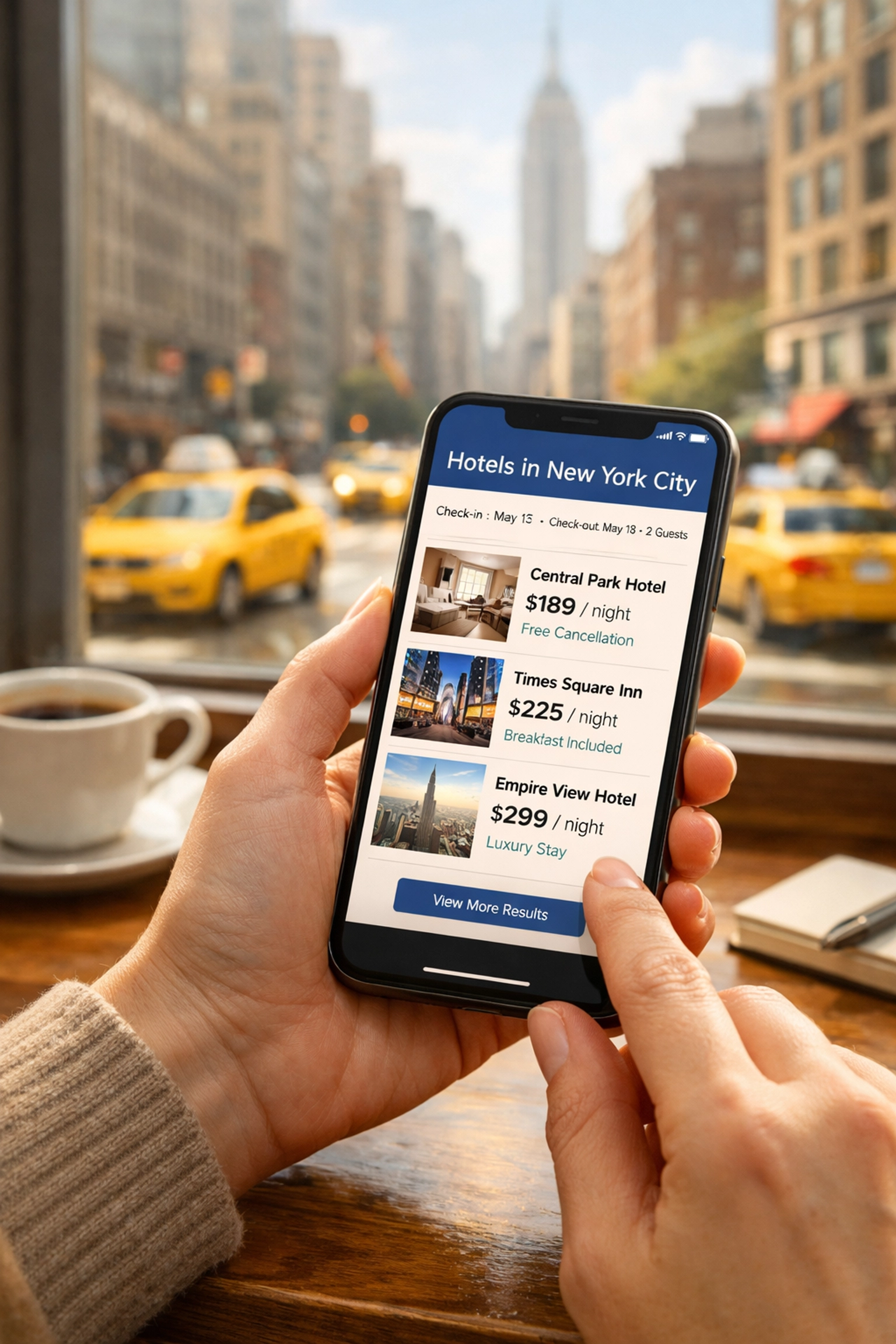
Even with the new regulations, here are some tips for booking hotels in New York City without stress:
Start with a Transparent Search Tool: Use platforms like PowerSearch NYC that prioritize clear pricing. If you're still seeing fees at checkout on other sites, report them: they're breaking the law.
Know Your Total Before You Click "Book": The final price should be crystal clear before you enter payment info. If it's not, bail and find a hotel that follows the rules.
Check for Credit Card Holds Upfront: Hotels can still place holds, but they need to tell you about it first. Make sure you know if there's a hold and how much it is.
Compare Based on What Actually Matters: Now that pricing is honest, you can focus on what matters: location, amenities, reviews, and vibe. Not which hotel is hiding fees most effectively.
Read Cancellation Policies: This hasn't changed, but it's always worth knowing. Free cancellation until 24 hours before check-in? Great. Non-refundable rate? Know what you're getting into.
Unlock NYC's Hotel Booking Transparency: Avoiding Hidden Fees
The end of junk fees in NYC hotels isn't just a policy change: it's a win for every traveler who's ever felt ripped off by surprise charges. Starting February 21, 2026, the price you see is the price you pay. No tricks, no hidden fees, no checkout surprises.
Whether you're planning a weekend getaway, a family vacation, or a business trip, booking hotels in New York City just got a whole lot easier. And with tools like PowerSearch NYC, you can find great deals without the headache of hidden charges.
Welcome to the future of honest hotel pricing. It's about time.
No Comments