

Benefits of Staying Midtown Manhattan in 2026
Disclosure: This post may contain affiliate links. We may earn a commission for purchases made through links in this post, at no cost to you.
Midtown Manhattan is the most practical base for any first-time visitor to New York City, offering central location, unmatched subway access, and walking distance to iconic landmarks. The benefits of staying Midtown Manhattan go beyond convenience. You get a neighborhood that puts the Empire State Building, Rockefeller Center, Broadway, and Madison Square Garden within easy reach, all without the noise and chaos of Times Square. Whether you are visiting for a weekend or a full week, Midtown gives you the kind of logistics that let you drop your bags and go explore immediately.
1. midtown manhattan transit connections beat every other neighborhood
Midtown’s subway access is the single biggest reason to base yourself here. Transit times to major attractions are under 20 minutes from most Midtown hotels. That means you can hit the Brooklyn Bridge in the morning, catch a show in the Theater District at night, and never feel like you wasted half your day on the subway.
Over a dozen subway lines intersect across Midtown, including the A, C, E, 1, 2, 3, N, Q, R, W, B, D, F, M, 4, 5, and 6 trains. No other neighborhood in Manhattan puts this many lines within a short walk. You are never more than a few blocks from a station.
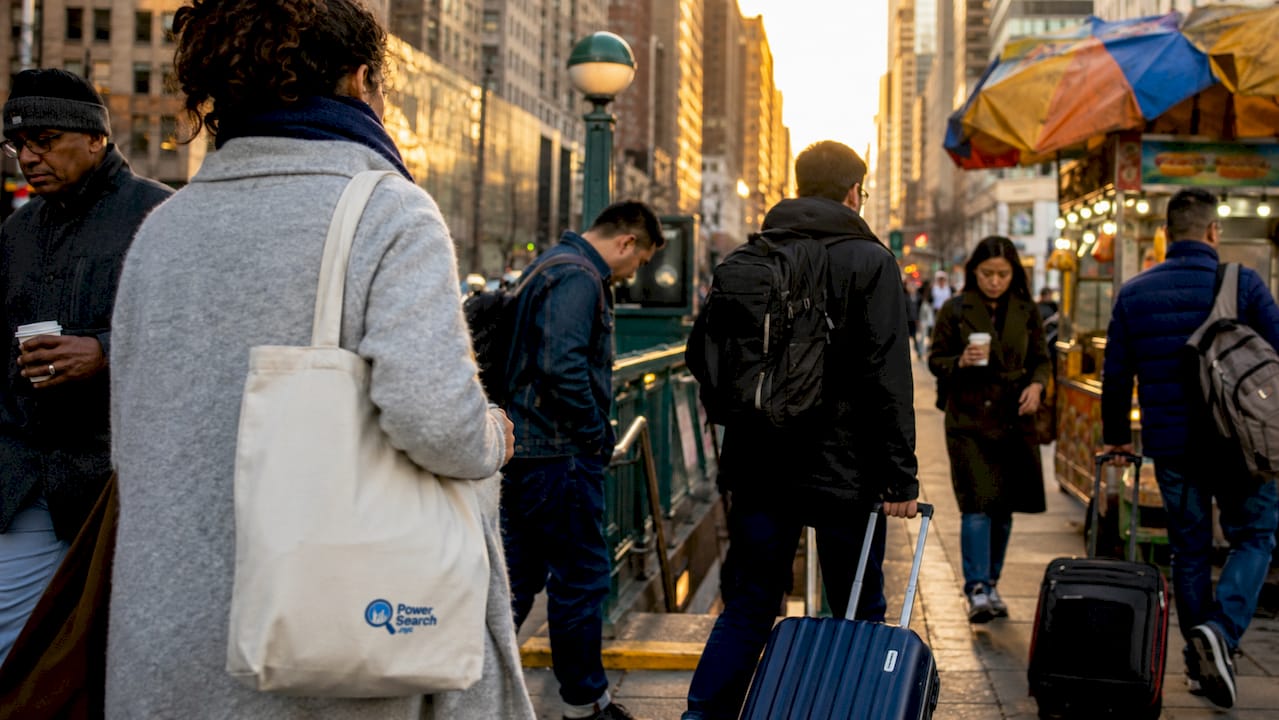
Midtown West also gives you direct access to Penn Station transit options, which serves Amtrak, NJ Transit, and the Long Island Rail Road. If you are flying into Newark Liberty or JFK and taking a train into the city, Penn Station drops you right in the middle of Midtown. Grand Central Terminal on the East Side handles Metro-North connections to Westchester and Connecticut.
Pro Tip: Book a hotel within three blocks of a major subway station. The time you save each day adds up fast, especially on a short trip.
2. midtown gives you calm without sacrificing energy
Times Square gets all the attention, but it is genuinely exhausting to stay right in the middle of it. The lights, the crowds, the noise at 2 a.m. are all part of the experience, but they wear on you quickly. Midtown offers a calmer street experience with better value than staying directly on Times Square, especially if you move just a few blocks east or north.
Areas like Murray Hill, Koreatown on 32nd Street, and the blocks around Bryant Park feel noticeably quieter. You still get the energy of Manhattan, but you can actually sleep. Local restaurants replace tourist traps, and the sidewalks are less congested.
Staying just outside the peak Times Square blocks can save you real money and a lot of stress, without giving up any of the access that makes Midtown worth choosing in the first place.
Here is what you gain by staying in calmer Midtown pockets rather than directly on Times Square:
- Lower nightly hotel rates for comparable room sizes
- Quieter streets after 10 p.m. for better sleep
- More local dining options with authentic NYC food
- Less foot traffic on your walk to and from the hotel
- Easier cab and rideshare pickups without the congestion
3. walking distance to nyc’s most famous landmarks
Midtown’s walkability is one of its strongest advantages. Several top NYC attractions cluster within walking distance of most Midtown hotels, which means you spend less time in transit and more time actually seeing the city.
Here are the landmarks you can reach on foot from a central Midtown hotel:
- Empire State Building on 34th Street, one of the most visited sites in the world
- Rockefeller Center on 49th and 50th Streets, home to Top of the Rock and the NBC Studios tour
- Broadway Theater District concentrated between 41st and 54th Streets on the West Side
- Madison Square Garden at 33rd and 7th Avenue for concerts, Knicks games, and Rangers games
- Bryant Park on 42nd Street, a calm green space with seasonal events and free Wi-Fi
- Fifth Avenue shopping from 34th Street up through the 50s, including Saks and Bergdorf Goodman
- Koreatown on 32nd Street between Fifth and Sixth Avenues, a dense block of Korean restaurants open late
- The Museum of Modern Art (MoMA) on 53rd Street, one of the world’s top modern art collections
- St. Patrick’s Cathedral on Fifth Avenue, a stunning Gothic Revival landmark worth a visit
- Grand Central Terminal on 42nd Street, both a transit hub and a beautiful architectural landmark
That is ten major destinations you can walk to without ever touching the subway. For a short trip, that kind of density is hard to beat anywhere else in the city.
4. midtown manhattan accommodations offer real variety in 2026
The range of Midtown Manhattan accommodations has grown well beyond the big chain hotels that once defined the neighborhood. You can still find large full-service hotels with rooftop bars and concierge services, but boutique options now compete seriously for your attention.
Hotels like The Gotham Hotel offer private balconies, spacious rooms, and upscale finishes that feel nothing like a standard chain property. This shift toward quiet luxury means you can stay in Midtown and still feel like you have a genuinely personal experience. Midtown has evolved, and the hotel options reflect that.
Pricing is also more flexible than most travelers expect. Rooms that cost $280 in October can drop to $195 on February Sundays. That is a meaningful difference for a multi-night stay. January through March is consistently the most affordable window for central Midtown hotels.
Here is a general comparison of what you can expect across hotel types in Midtown:
| Hotel Type | Avg. Nightly Rate | Typical Room Size | Key Amenities |
|---|---|---|---|
| Large chain hotel | $220–$320 | 300–400 sq ft | Gym, concierge, room service |
| Boutique hotel | $250–$400 | 350–500 sq ft | Design-forward rooms, bar, personalized service |
| Budget hotel | $130–$200 | 180–280 sq ft | Basic amenities, great transit access |
| Suite hotel | $350–$600 | 500–800 sq ft | Kitchen, living area, multiple rooms |
Pro Tip: Search by transit proximity, not just price. A $180 hotel two blocks from a subway station beats a $150 hotel that adds 30 minutes to every outing.
For travelers who want luxury hotel options with boutique character, Midtown now delivers without forcing you to choose between comfort and location.
5. midtown saves you money on transit over the full trip
Choosing a cheaper hotel outside Midtown often costs more in the end. Daily commutes from outer boroughs add both time and money compared to staying in Midtown. A $30 savings per night can disappear quickly when you factor in two subway rides a day, rideshares during late nights, and the hours you lose in transit.
Think about a four-night trip. If you spend 90 minutes per day getting to and from your hotel versus 20 minutes from Midtown, that is nearly three hours of extra travel time over your trip. For most visitors, that is a full afternoon of sightseeing gone.
Booking the cheapest hotel without factoring transit leads to more expensive, less efficient trips overall. The math rarely works in favor of the outer-borough bargain when you account for the full picture.
6. when midtown is the right choice and when it is not
Midtown is the right base for most travelers, but not every traveler. Knowing when it fits your trip and when it does not saves you from a stay that feels off.
Midtown is ideal for first-time visitors on short stays of three to four nights focused on hitting the major landmarks. You want efficiency, and Midtown delivers it. The subway access, the walkable attractions, and the hotel variety all serve that goal well.
For longer stays or repeat visitors, the calculus shifts. Experienced travelers recommend limiting Midtown stays to 3–4 nights for the best overall experience. After that, neighborhoods like the West Village, Williamsburg in Brooklyn, or the Lower East Side offer more local texture and a different side of New York.
Here is a quick comparison to help you decide:
| Neighborhood | Best For | Transit Access | Local Vibe | Avg. Cost |
|---|---|---|---|---|
| Midtown | First-timers, short stays | Excellent | Tourist-forward | Moderate to high |
| Times Square | Thrill-seekers, families | Excellent | Chaotic, loud | High |
| Downtown / Financial District | Business travelers | Good | Quiet evenings | Moderate |
| Brooklyn (Williamsburg) | Repeat visitors, culture seekers | Good | Local, creative | Lower |
| West Village | Romantic getaways, foodies | Moderate | Charming, residential | Moderate to high |
If you are still figuring out which NYC neighborhood fits your trip, Powersearch has a full breakdown that walks you through the trade-offs without the fluff.
Key takeaways
Staying in Midtown Manhattan gives most travelers the best combination of transit access, walkable landmarks, and hotel variety available anywhere in New York City.
| Point | Details |
|---|---|
| Transit is the top advantage | Over a dozen subway lines and Penn Station access put all of NYC within 20 minutes. |
| Midtown beats Times Square on value | Staying a few blocks from Times Square cuts noise, crowds, and nightly rates. |
| Walkability multiplies your time | Ten major landmarks are reachable on foot, saving transit time on every outing. |
| Off-peak pricing rewards flexible travelers | February rates can run $85 lower per night than October for the same Midtown hotel. |
| Short stays favor Midtown most | Three to four nights in Midtown is the sweet spot; longer trips benefit from mixing neighborhoods. |
Why i think midtown gets underestimated by experienced travelers
Most seasoned NYC visitors dismiss Midtown as too touristy. I get it. The area can feel like a theme park version of New York on a busy Saturday afternoon. But that reaction misses what Midtown actually does well.
The transit network alone changes how your whole trip feels. When you can get from your hotel to the Brooklyn Museum, back to Midtown for lunch, and then down to the High Line before dinner without ever waiting more than five minutes for a train, you stop thinking about logistics and start actually enjoying the city. That is what Midtown gives you.
My honest advice for first-timers is to stop overthinking the “authentic NYC” question and just pick a good Midtown hotel near a major subway station. You will see more of the city in three days than someone staying in a trendy outer-borough neighborhood sees in five. Save the residential neighborhoods for your second or third trip, when you already know the city and want to slow down.
For longer trips, I do think splitting your stay makes sense. Spend your first three nights in Midtown to cover the landmarks, then move to the West Village or Brooklyn for the back half. You get the efficiency upfront and the local texture later. That combination is hard to beat.
— Mark
Find your perfect midtown stay with Powersearch
Planning a trip to New York City and still deciding where to stay? Powersearch makes it easy to compare Midtown Manhattan hotels by price, location, transit access, and amenities, all in one place.

Whether you want a budget-friendly room near Penn Station or a boutique hotel with a rooftop view, the Powersearch hotel search gives you real options with transparent pricing. You can also browse NYC attractions and things to do to start building your itinerary before you even book. Powersearch is built for travelers who want to plan smart and spend their time in the city, not researching it.
FAQ
What are the main benefits of staying in midtown manhattan?
Midtown Manhattan offers central location, over a dozen intersecting subway lines, and walking distance to landmarks like the Empire State Building, Rockefeller Center, and Broadway. These advantages make it the most efficient base for first-time and short-stay visitors.
Is midtown manhattan better than times square for accommodations?
Midtown outside the immediate Times Square area offers lower nightly rates, quieter streets, and more local dining options while keeping the same transit access. Most travelers find the balance more comfortable than staying directly on Times Square.
When is the cheapest time to book a midtown manhattan hotel?
January through March is consistently the most affordable window for Midtown hotels. Rates on the same property can drop by $85 or more per night compared to peak fall months like October.
How long should you stay in midtown manhattan?
Three to four nights is the recommended stay for most visitors. Longer trips benefit from splitting time between Midtown and more residential neighborhoods like the West Village or Brooklyn for a fuller NYC experience.
Does staying in midtown actually save money compared to cheaper outer-borough hotels?
Yes, in most cases. The cost of daily subway rides, rideshares, and lost sightseeing time from longer commutes often exceeds the nightly savings from a cheaper hotel outside Midtown.
No Comments