

Best Seasons Visiting New York City: 2026 Guide
Disclosure: This post may contain affiliate links. We may earn a commission for purchases made through links in this post, at no cost to you.
Spring and fall are the best seasons to visit New York City, offering mild temperatures, manageable crowds, and some of the city’s most memorable events. NYC tourism follows a clear seasonal rhythm, and knowing when to go makes a real difference in what you experience and what you spend. Whether you want to walk the Brooklyn Bridge without bumping into a tour group or catch the fall foliage in Central Park, timing your trip is half the battle. This guide breaks down every season so you can plan with confidence.
1. Why spring is one of the best seasons to visit New York City
Spring in NYC runs from march through may, and spring and fall lead as the top seasons for good reason. Temperatures average around 57°F, which is ideal for walking the High Line, exploring Brooklyn Botanic Garden during cherry blossom season, or hitting the outdoor food markets in Union Square. You get the city at a comfortable pace before summer crowds arrive.
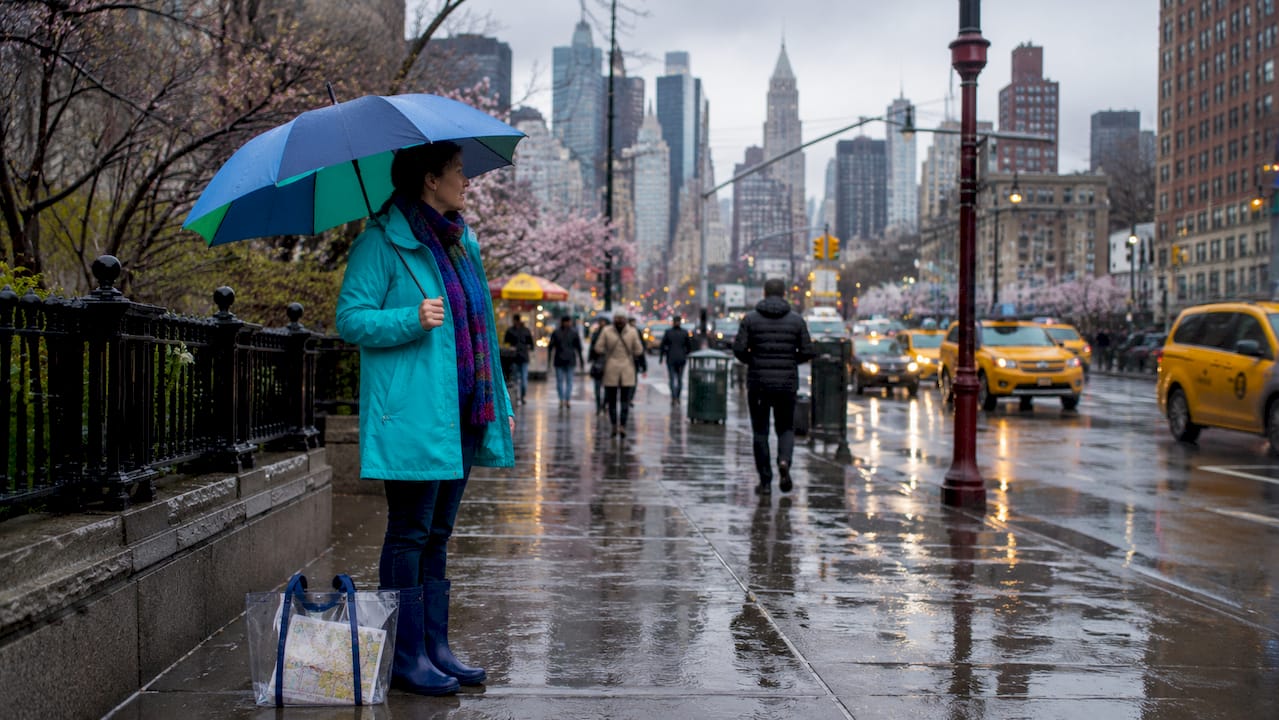
The vibe in spring is genuinely exciting. Locals start spending time outside again, café terraces fill up, and parks like Central Park come alive with color. You can step outside and immediately feel like you’re in a movie, without the chaos of peak tourist season pressing in on you.
What makes spring worth booking:
- Temperatures in the mid-50s to low 70s°F make walking all day actually enjoyable
- Central Park, Prospect Park, and the Brooklyn Botanic Garden bloom through april and may
- Outdoor markets, street fairs, and neighborhood festivals kick off across all five boroughs
- Hotel rates are lower than summer, especially in march and early april
- Fewer crowds at major attractions like the Metropolitan Museum of Art and the Statue of Liberty
The one honest downside is rain. Spring is NYC’s wettest season, so packing a compact umbrella is non-negotiable. A light rain jacket takes up almost no space and saves the day more than once.
Pro Tip: Book your spring hotel by january or february. Rates climb fast once april hits, especially around spring break weeks when families flood the city.
2. Why fall is considered the best season for NYC tourism
Fall is the season most experienced NYC travelers point to first. Temperatures run from the mid-70s in early september down to the mid-50s by november, which is ideal for first-time visitors who want comfortable sightseeing without summer’s humidity. The city feels energized but not overwhelmed.
The fall foliage in NYC is genuinely underrated. Peak foliage hits late october, turning Central Park, Riverside Park, and Prospect Park into something photographers and casual walkers both love. It is one of those experiences that surprises people who only think of NYC as concrete and skyscrapers.
Fall highlights worth planning around:
- New York Fashion Week runs in early september and draws designers, editors, and street style crowds to Midtown
- The U.S. Open tennis tournament wraps up in early september at Flushing Meadows in Queens
- The Village Halloween Parade on october 31st is one of the largest Halloween events in the country
- The New York City Marathon in early november draws runners and spectators from around the world
- Hotel rates ease noticeably after labor Day compared to summer peaks
“Mid-September through mid-October is the sweet spot. Weather is reliable, hotel rates start dropping from summer highs, and the city still has that electric energy without the August chaos.” — NYC Insider 2026
Pro Tip: If you want the best of fall without the crowds, target the second or third week of september. Summer tourists are gone, school is back in session, and you get the city almost to yourself compared to july.
3. Comparing summer and winter: when might they still be the right choice?
Summer and winter are not the wrong choice. They are just a different trade-off, and for some travelers, those trade-offs are worth it.
Summer in NYC (june through august)
Summer averages around 78°F, and the city runs a full calendar of outdoor events. The Fourth of July Macy’s fireworks over the East River are spectacular. SummerStage in Central Park brings free concerts from june through august. Governors Island opens for outdoor festivals, food markets, and art installations. The energy is high and the options are endless.
The downside is real, though. Summer brings the highest crowds of any season, and hotel prices reflect that. Booking 3–4 months ahead is the standard advice, and last-minute summer bookings can cost significantly more. Humidity in july and august can make walking between attractions feel draining.
Winter in NYC (december through february)
Winter averages around 41°F, and the city transforms into something genuinely cinematic. Rockefeller Center’s ice skating rink, the holiday markets at Bryant Park and Union Square, and Times Square on New Year’s Eve are bucket-list experiences for many travelers. Snow turns Central Park into a scene that looks like a postcard.
Winter offers discounted lodging through january and february, once the holiday rush clears. That makes it one of the best windows for budget-conscious travelers. The trade-off is cold weather that limits how long you want to stay outside, and some outdoor attractions operate on reduced schedules.
| Season | Avg. Temp | Crowds | Hotel Rates | Best For |
|---|---|---|---|---|
| Spring | ~57°F | Moderate | Mid-range | Walking, parks, festivals |
| Summer | ~78°F | Very high | Peak | Outdoor events, concerts |
| Fall | ~62°F | Moderate | Mid-range | Foliage, events, sightseeing |
| Winter | ~41°F | Low | Budget-friendly | Holiday events, value trips |
4. How to choose the right season based on your travel priorities
The best season balances mild temperature with fewer crowds, not just good weather alone. That insight changes how you should think about planning. Perfect weather in july means sharing every attraction with thousands of other people. Mild weather in october means shorter lines, easier restaurant reservations, and a more relaxed pace.
Match your season to your goal:
- First-time visitor: Go in mid-september through mid-october. You get reliable weather, easing crowds, and the city’s best seasonal energy all at once.
- Outdoor and nature lover: Target late april through may for blooming parks, or late october for peak foliage.
- Event-focused traveler: Research specific events first, then book around them. Fashion Week, the U.S. Open, and the NYC Marathon each draw specific crowds worth planning for.
- Budget traveler: January and february offer the lowest hotel rates of the year. Pair that with indoor attractions like the American Museum of Natural History or MoMA and you get a full trip at a fraction of summer costs.
- Family with kids: Spring break and summer work for families with school schedules, but early booking is critical to manage costs. Check out Powersearch’s NYC family vacation guide for season-specific tips.
One thing every season has in common: rain. NYC receives precipitation year-round, and occasional heavy rain from tropical systems can hit even in fall. Pack a compact umbrella regardless of when you go.
Pro Tip: Check hotel rates mid-week versus weekends before you book. Weekday hotel rates in NYC are often noticeably lower than Friday and Saturday nights, and that gap widens during peak seasons.
Understanding NYC room rate fluctuation by season helps you time your booking to get the most value, especially if your travel dates are flexible.
Key takeaways
Spring and fall are the best seasons to visit New York City because they combine mild walking weather, manageable crowds, and strong seasonal events at mid-range hotel prices.
| Point | Details |
|---|---|
| Spring and fall lead overall | Both seasons offer mild temps around 57–62°F and fewer crowds than summer or winter. |
| Mid-September through mid-October is the top window | Reliable weather, easing hotel rates, and strong events make this the best single stretch. |
| Summer requires early booking | Book 3–4 months ahead to avoid peak pricing and limited availability. |
| Winter offers real budget value | January and february bring the lowest hotel rates and unique holiday experiences. |
| Rain gear is always necessary | NYC receives precipitation year-round, so pack an umbrella regardless of season. |
My honest read on when to actually visit NYC
I’ve seen a lot of travelers overthink this. They chase perfect weather and end up booking july because it sounds like summer should be great. Then they arrive, spend 20 minutes in a line at the Empire State Building, and wonder why nobody warned them.
Spring and fall are not just the “safe” choices. They are genuinely the best times to experience what makes New York City worth visiting. You can walk across the Brooklyn Bridge without stopping every ten feet. You can get a table at a good restaurant without a reservation made three weeks in advance. The city feels like it belongs to you a little more.
That said, I would not talk anyone out of a winter trip. January in NYC has a specific kind of quiet that the city rarely offers. The holiday crowds are gone, the streets feel almost peaceful by NYC standards, and you can get into places that would be impossible in july. Just go in with realistic expectations about the cold and plan more indoor time than you think you need.
The one thing I always tell first-time visitors: do not wait until you have the perfect plan. Book the mid-september window, use a platform like Powersearch to compare hotels by neighborhood and price, and leave room in your itinerary for the unexpected. That flexibility is what turns a good NYC trip into a great one.
— Mark
Plan your NYC trip with Powersearch
Choosing the right season is the first step. Finding the right hotel at the right price is the second one, and that is where a lot of travelers lose time and money.

Powersearch makes it straightforward to search NYC hotels by neighborhood, budget, and amenity so you can match your accommodation to the season you are visiting. Traveling with family in spring? The NYC hotel suite guide for families walks you through what to look for and what to avoid. Planning a fall trip and want to see what is happening around the city? Browse things to do in NYC by category and season. Whatever time of year you are heading to New York, Powersearch gives you the tools to book smarter and arrive ready.
FAQ
What are the best months to visit NYC for good weather?
April, may, september, and october offer the most comfortable temperatures for walking and sightseeing. These months average between 57°F and 62°F with moderate rain.
Is NYC too crowded in summer to enjoy?
Summer is the busiest season, with the highest hotel prices and longest lines at major attractions. Booking 3–4 months ahead and visiting popular sites early in the morning helps manage the crowds.
When is the cheapest time to visit New York City?
January and february are the most affordable months, with discounted hotel rates after the holiday season ends. Winter travel requires planning for cold weather but delivers strong value for budget-focused travelers.
What seasonal events should I plan my NYC trip around?
Fall brings New York Fashion Week, the U.S. Open, the Village Halloween Parade, and the NYC Marathon. Spring offers outdoor markets, Central Park festivals, and the Brooklyn Botanic Garden cherry blossom season.
How far in advance should I book a NYC hotel?
For summer travel, book 3–4 months ahead to secure reasonable rates. For spring and fall shoulder seasons, booking 6–8 weeks out is usually sufficient, though earlier is always better for popular neighborhoods and event weekends.
No Comments