

Top 6 Sites for allny.com Alternatives 2026
Disclosure: This post may contain affiliate links. We may earn a commission for purchases made through links in this post, at no cost to you.
Sorting through New York City hotel search sites to find up-to-date prices, honest fee breakdowns, and reliable neighborhood guides is confusing when listings, news, and planning tools are scattered across unrelated platforms. Many popular sources only surface generic results, hide extra charges until checkout, or lack transparent editorial voices, making it hard to trust the details or find itinerary support in one place. This comparison lays out the strengths and gaps of six NYC hotel search and travel planning sites so you can match your hotel and activity search with the features, local insights, and transparency you need for your trip.
Table of Contents
- Power Search NYC
- Tablet Hotels
- Loving New York
- Hotel Ninja
- Patch.com
- hoodline.com
- Comparative Analysis
Power Search NYC
At a Glance
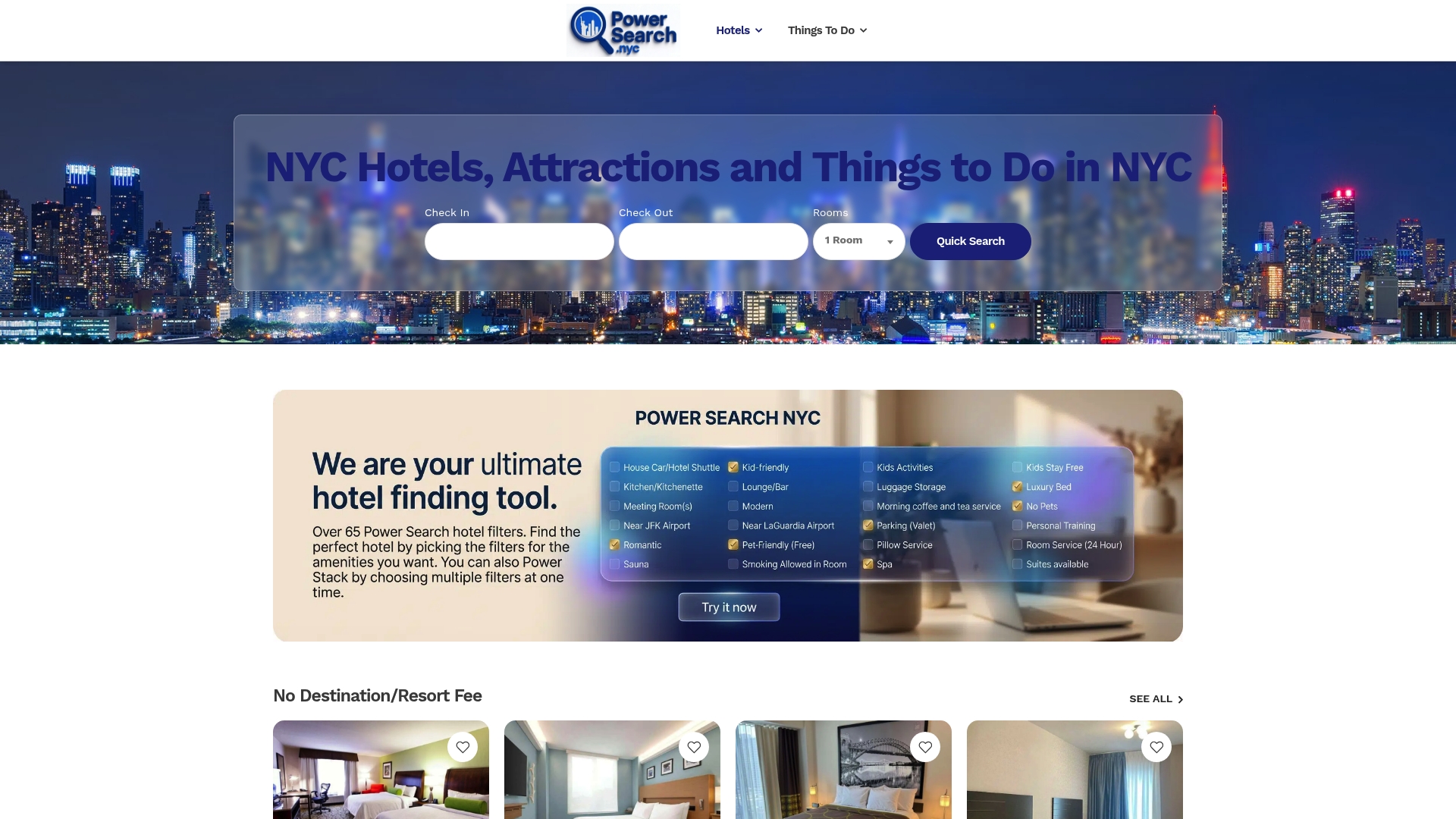
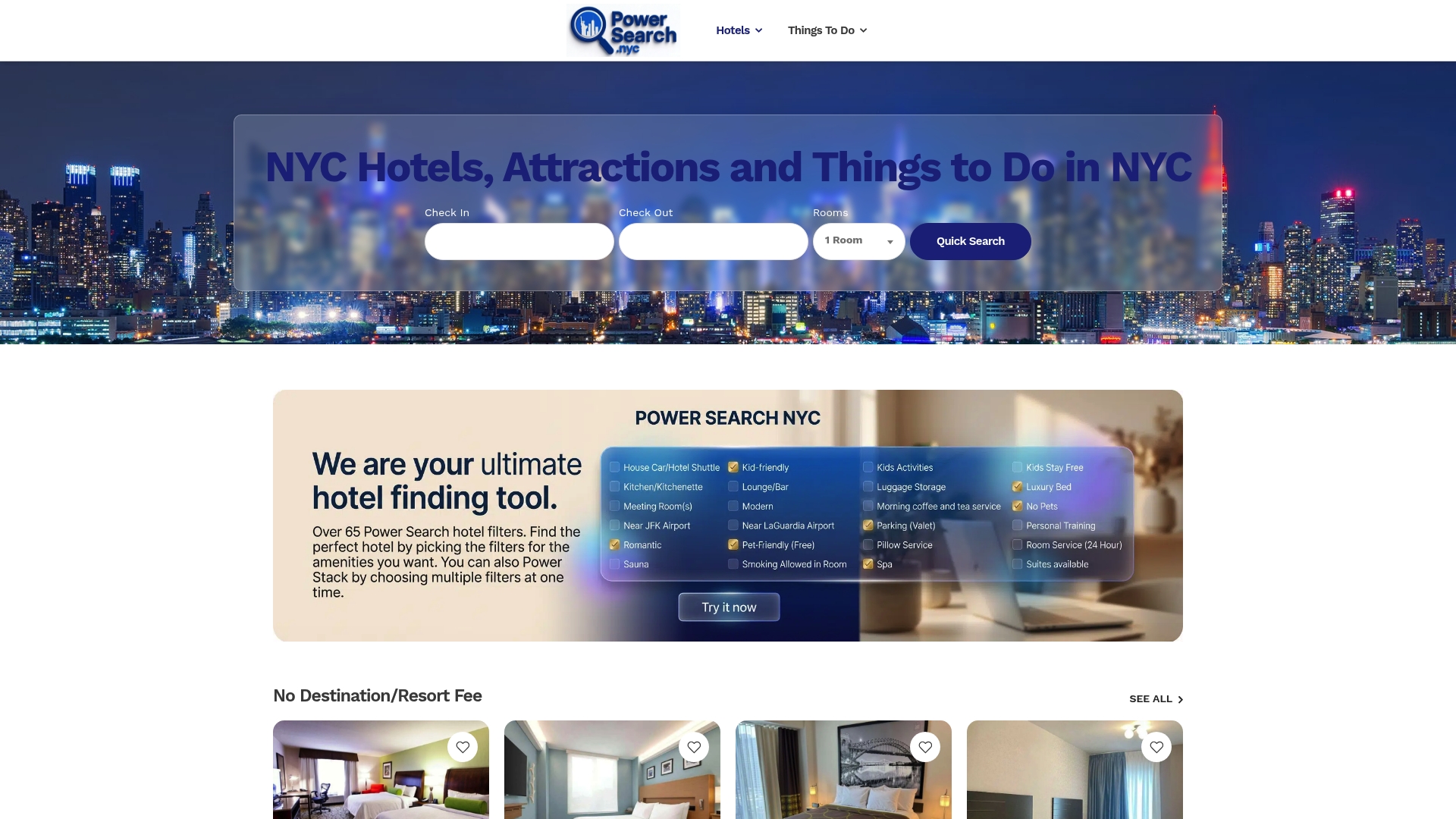
65 filters on hotel searches let you zero in on pet-friendly, family rooms, suites, or amenities like pools and breakfast before you click through. The site pairs those filters with neighborhood guides and fee-transparency content so you spot extra charges before booking.
Core Features
- Hotel search that lets you filter by neighborhood proximity, price point, and more than 65 attributes including pet-friendly and family options.
- Aggregated hotel listings organized into categories like luxury, budget, boutique, suite, and family-friendly.
- Listings for attractions, tours, cruises, and experiences grouped by neighborhood and type for side trips and evening plans.
- Guides and blog posts that explain hotel fee structures, booking tips, and how to avoid hidden charges.
- Access to hotel descriptions and neighborhood write-ups to match lodging choices with nearby activities and services.
Key Differentiator
The clear user control over price and fee visibility sets this comparison site apart. Filters surface fee-relevant fields and the editorial content flags sponsored listings and affiliate links so you can compare rates and ancillary charges in the same view.
Pros
-
Comprehensive filters make it easy to compare hotels on concrete features like breakfast included, on-site pool, or rollaway availability instead of guessing at photos.
-
The site combines hotel listings with neighborhood guides, which helps you match a block or subway line to family or business needs without toggling between multiple sites.
-
Fee-transparency guides are practical. They walk through resort fees, incidental holds, and taxes so you understand the final nightly cost before following affiliate links.
-
Attractions and tours are grouped by neighborhood and category, so planning an afternoon museum visit and an evening Broadway show happens in one place.
-
The interface is designed for quick scanning, with filters and clear labels that reduce time spent on back-and-forth comparisons.
Cons
- The site does not host independent user review aggregation or direct booking; it functions as a curated search aggregator and links out to external listings for reservations.
Who It’s For
Travelers headed to New York City who want to compare hotels by neighborhood and amenity while keeping an eye on final costs. Useful for families, couples, and business visitors who prefer controlled filters and fee guidance over raw guest-review hunting.
Unique Value Proposition
Search results include neighborhood proximity filters paired with fee-explainer guides and explicit labeling of affiliate or sponsored listings. That mix helps you judge whether a lower headline rate actually saves money once taxes and mandatory fees are added.
Real World Use Case
A family booking a four-night stay filters for family rooms, breakfast included, and a hotel within a five-minute walk of the subway. They read the associated article on resort fees, compare two listings side by side, and choose the option that shows the lowest out-the-door nightly total.
Website: https://powersearch.nyc
Tablet Hotels
At a Glance
Tablet Hotels’ marketing states it has operated for over 25 years, a longevity that feeds a tightly curated roster of design-driven properties. Membership access to Tablet Plus and its VIP benefits is a clear signal this marketplace targets travelers after rare, style-forward stays rather than bargain hotel inventory.
Core Features
- Curated selection of boutique and luxury hotels across major cities and resort destinations, chosen for design and service.
- Tablet Plus membership with VIP treatment that often includes room upgrades, free breakfast, and late check-out when available.
- Private insider sales and account-holder discounts that surface limited-time rates on select properties.
- Broad destination coverage while keeping focus on distinct, independently designed properties rather than chain hotels.
Key Differentiator
Tablet Hotels leans into editorial curation and membership perks as its defining product move. The platform pairs a handpicked catalog of independent hotels with a paid VIP layer, making the booking experience feel like selecting artful homes instead of commodity rooms. That storytelling approach is the platform’s primary draw for experience-minded travelers.
Pros
- Thoughtful selection. The hotel roster filters out cookie-cutter options so you see properties with character and local personality.
- Membership upside. Tablet Plus can deliver measurable perks on stay day, like upgrades and breakfast, which add value for repeat travelers.
- Good booking experience. The site and mobile flows prioritize images and hotel narratives, which helps you shortlist visually and quickly.
- Strong brand positioning. The platform markets itself around lifestyle and memorable stays, which attracts hoteliers that want to showcase distinctive design.
- Insider deals. Account holders receive private sales that occasionally produce better net value than public listings.
Cons
- Service inconsistency. Customer service responsiveness has mixed reviews, and some users report slow resolution times.
- Price premium. Hotel rates often run higher than direct booking because properties and membership perks are already priced into the offer.
- Review transparency questions. The product data lists allegations about suppressed negative reviews, which can undermine trust for skeptical travelers.
- Cancellation flexibility. Several users say modification and cancellation terms are less flexible than mainstream booking sites.
When It May Not Fit
If you want the widest possible inventory or budget-first search filters, Tablet Hotels is not the right marketplace. The platform narrows selection to design-led and higher-end hotels, so price shoppers or those needing many filter permutations will find the choice limited.
If rapid, phone-first customer support is a priority for complex group bookings, the mixed support record above suggests you should verify policies before committing for multiple rooms.
Who It’s For
Discerning travelers who prefer boutique character over chain predictability and who value VIP perks enough to pay a premium. Ideal for couples planning a special occasion, design-minded solo travelers, and repeat guests who will recoup membership fees through upgrades and breakfasts.
Real World Use Case
A frequent traveler buys Tablet Plus and books a weekend in a design hotel in a major city. The membership secures a room upgrade and late check-out, and the guest uses insider sale pricing to offset the membership cost. The result is a more personalized stay and fewer day-of hassles.
Pricing
Membership is listed at $99 USD/year for access to VIP upgrades and exclusive discounts. Hotel rates vary widely by property and location and tend to be higher than standard booking sites, while insider sales and member perks occasionally lower net cost on select stays.
Website: https://tablethotels.com
Loving New York
At a Glance
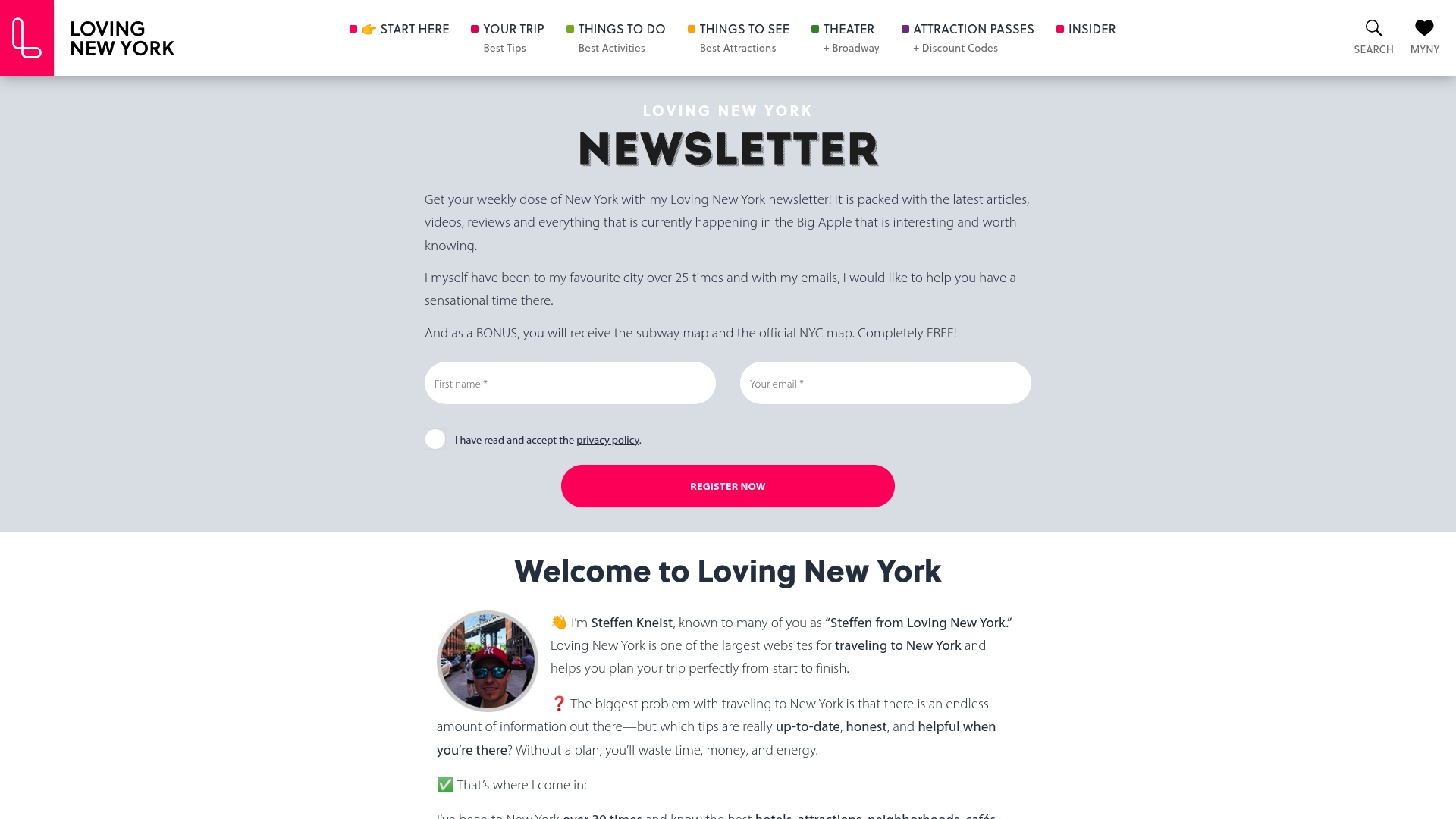
Free subway and official NYC maps are offered to subscribers as a bonus, paired with curated attraction pass comparisons to help cut costs on busy itineraries. The site reports its founder has visited New York City more than 25 times, and that firsthand experience guides the tips.
Core Features
- Weekly newsletter with local updates, event alerts, and short tips tailored to the coming week.
- Free maps, including an official subway map and printable neighborhood guides for offline use.
- Travel planning tools that produce day-by-day itineraries and printable route maps.
- Monthly event guides and activity suggestions organized by season and neighborhood.
- Comparison guides for major attraction passes to show which pass fits a given schedule.
Key Differentiator
What sets Loving New York apart is the founder-driven angle: the editorial voice reflects repeated, hands-on visits rather than anonymous aggregation. That personal testing shows up in which passes the site highlights for condensed sightseeing days and which neighborhoods it flags for authentic dining.
Pros
-
Offers a compact way to decide on attraction passes; the comparison guides put price, included sites, and realistic daily pace side by side.
-
The free maps and printable itineraries remove a common travel friction: you can plan without hunting for PDFs on multiple sites.
-
Weekly updates mean events and short-term closures are more likely to be reflected than in static blog posts.
-
Founder experience informs neighborhood suggestions and off-peak timing tips that save you minutes at queues and dollars on meals.
-
Good coverage for both first-time visitors and repeat travelers who want new restaurant or event ideas rather than the same highlights.
Cons
-
No independent third-party reviews or user ratings are available, so content quality relies on the site’s editorial voice.
-
The site does not host a booking engine; every purchase or reservation redirects to external vendors or official ticketing sites.
-
Content lacks user-generated updates, which means crowd-sourced corrections to hours or temporary closures are limited.
When It May Not Fit
If you want aggregated user ratings or crowdsourced trip reports, this site will feel thin. Also, if you need a single-click booking flow that keeps you on the same site, Loving New York’s reliance on external links interrupts that process.
Who It’s For
Travelers planning a compact New York City trip who prefer expert-curated schedules and clear comparisons of attraction passes. It fits visitors who value tested tips and printable maps over community reviews or integrated checkout.
Real World Use Case
You have seven days in New York and want to maximize museums and landmarks. Use the attraction pass comparison to choose the right pass, load the printable subway map, then follow the site’s day-by-day itinerary that sequences nearby attractions to minimize transit time.
Website: https://loving-newyork.com
Hotel Ninja
At a Glance
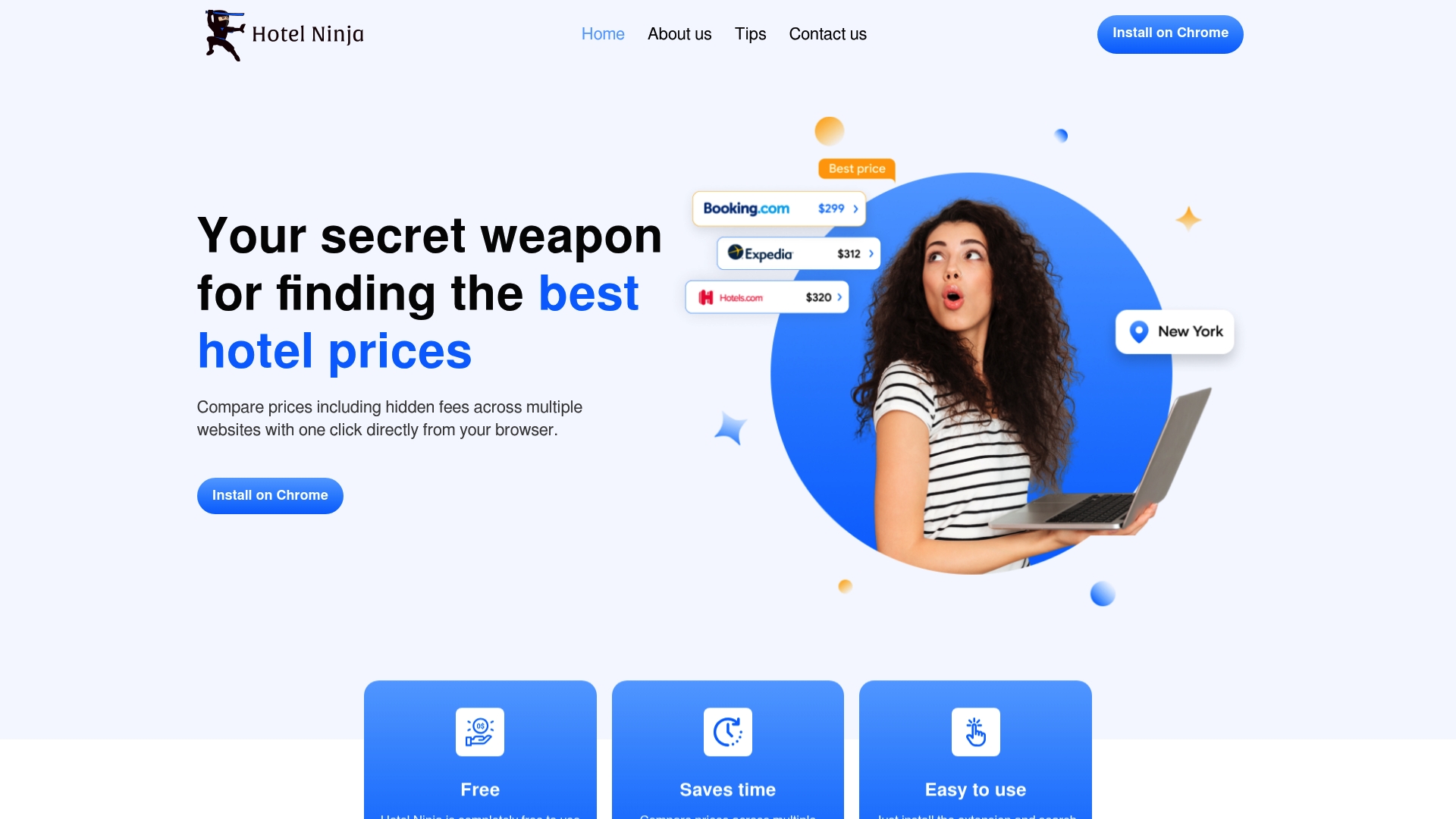
Shows final room prices including taxes and fees from Booking, Hotels.com, Agoda, and Expedia in a single browser popup with one click. The extension is free to use and installs in seconds, surfacing cheaper booking options without leaving the page.
Core Features
- Compatible with major booking sites including Booking, Hotels.com, Agoda, and Expedia.
- Popup window that displays the same room across sites for direct comparison.
- One-click access to the cheapest available rate after taxes and fees.
- Multiple currency price comparisons so you can view totals in the currency you prefer.
Key Differentiator
The extension brings cross-site price comparisons into the browser UI so you see alternate rates the moment a hotel page loads. That in-place popup reduces tab switching and copy paste across booking sites, which speeds decision making when you are researching options quickly.
Pros
-
Free to use, so you can test it across trips without an upfront cost or subscription.
-
Saves time by aggregating prices from several booking platforms into one view, cutting the need to open multiple tabs.
-
User-friendly install and interaction. The popup is unobtrusive and requires a single click to reveal final pricing.
-
Shows final totals that include taxes and fees so the comparison reflects what you actually pay rather than headline room rates.
Cons
-
No detailed third-party reviews or independent validation are available, which limits visibility into long-term reliability and user satisfaction.
-
Limited information about customer support or troubleshooting channels makes recovery harder if the extension misbehaves on a given booking site.
-
Functionality appears restricted to Chrome, and users on Firefox or Safari may be excluded.
When It May Not Fit
If you rely on a browser other than Chrome you will likely find Hotel Ninja unusable unless the vendor expands support. Also, the extension only works when the booking sites it recognizes are present, so boutique engines or direct-hotel pages may not surface alternative prices.
Who It’s For
Frequent travelers and casual vacationers who book hotels online and want a faster way to check final prices across major platforms. It fits people who value quick comparisons and prefer to avoid hidden fees when booking in the moment.
Real World Use Case
You install the extension, search for a Manhattan hotel on a familiar booking site, and a popup appears showing a lower total on another platform after taxes. You click the cheapest link and complete the booking, saving minutes and avoiding surprise fees.
Website: https://hotel-ninja.com
Patch.com
At a Glance
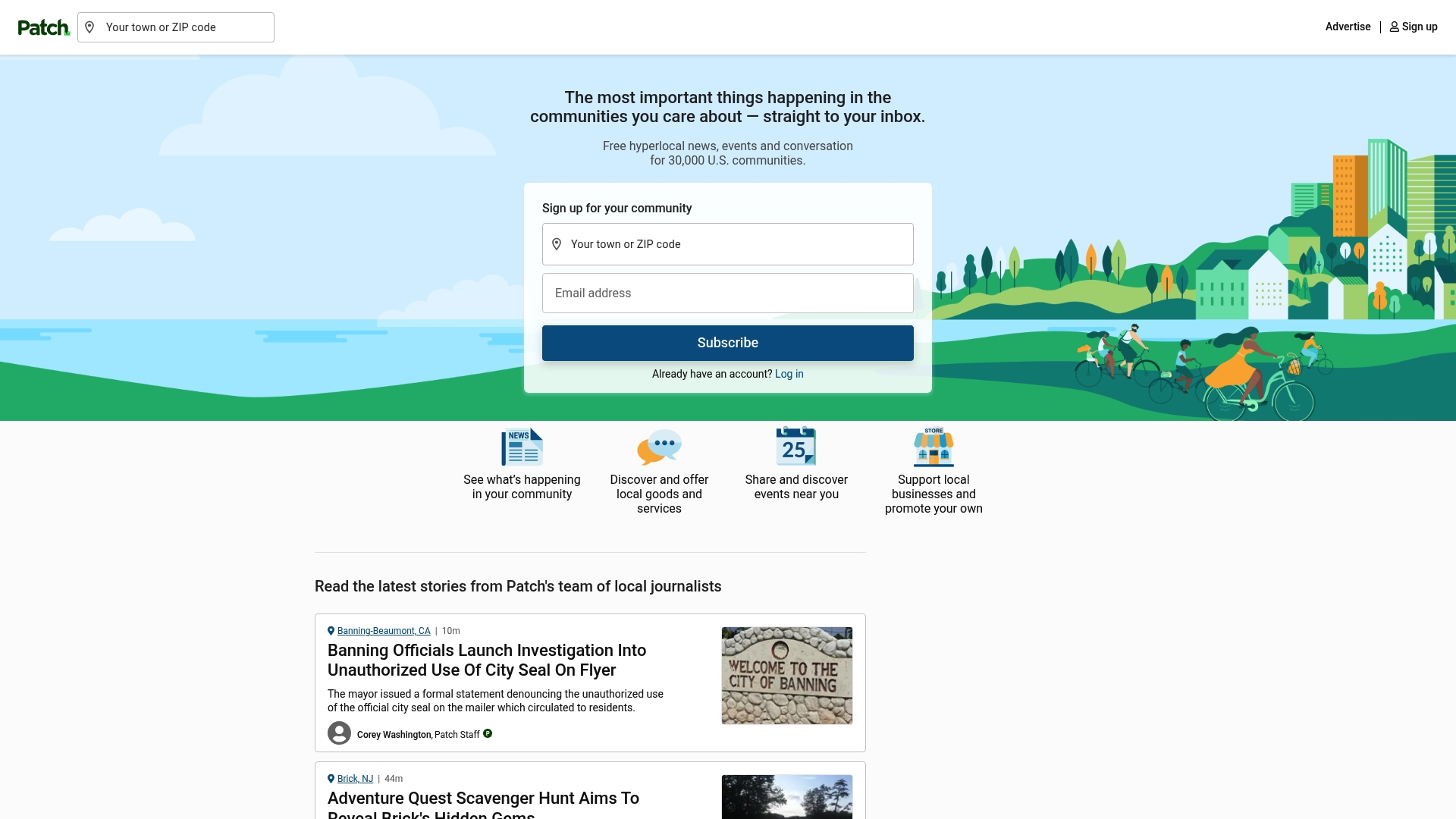
Dedicated community pages covering New Jersey, Connecticut, Illinois and dozens more form the platform’s backbone. Patch combines neighborhood reporting, classifieds, and event promotion tools to connect residents and local businesses with nearby happenings.
Core Features
Patch centers on local news coverage tailored to individual communities, with short articles and neighborhood updates that publish frequently.
- Event promotion and a community calendar for listing farmer markets, street fairs, and club meetings.
- Community classifieds and a simple marketplace for local listings.
- Business advertising tools that let small advertisers target specific town pages.
Key Differentiator
The defining angle is its focus on dedicated, neighborhood-level pages that serve individual towns rather than broad metro reporting. Unlike PowerSearch NYC, which concentrates on hotel search and neighborhood guides for New York City travelers, Patch aims at resident-focused notices and hyperlocal event promotion across many U.S. towns.
Pros
- The hyperlocal reach makes finding neighborhood announcements straightforward. Town pages surface small events and service listings that larger outlets miss.
- Event listings and classifieds let community organizers promote to precisely the residents who will attend or buy.
- The network model provides consistent regional coverage with separate pages for nearby towns, which helps you compare adjacent neighborhoods quickly.
- Small businesses get simple, place-targeted ad inventory that avoids buying citywide placements for a single neighborhood.
- Setup for posting events or classifieds is direct and does not require complex publisher relationships.
Cons
- User feedback often criticizes editorial quality, so longer investigative pieces should not rely on Patch as the only source.
- Advertisers report mixed experiences with support and transparency around placement and performance reporting.
- The site can feel promotion-heavy on some pages where sponsored posts and business listings crowd local reporting.
When It May Not Fit
If you require rigorously edited, city-level investigative reporting, Patch is not the primary source for that. Also, if you expect white-glove advertiser support or detailed placement analytics, the platform’s limitations on support and transparency may frustrate you.
Who It’s For
Local residents who want quick neighborhood updates, community organizers who need a low-friction event listing channel, and small businesses seeking place-based advertising. Travelers can use Patch to check neighborhood events or market openings when planning visits outside central Manhattan.
Real World Use Case
A small cafe in Hoboken posts a weekend brunch special and a live-music event to the town page. Nearby residents and visitors scanning Patch’s event calendar see the listing, RSVP, and share it in local neighborhood groups.
Website: https://patch.com
hoodline.com
At a Glance
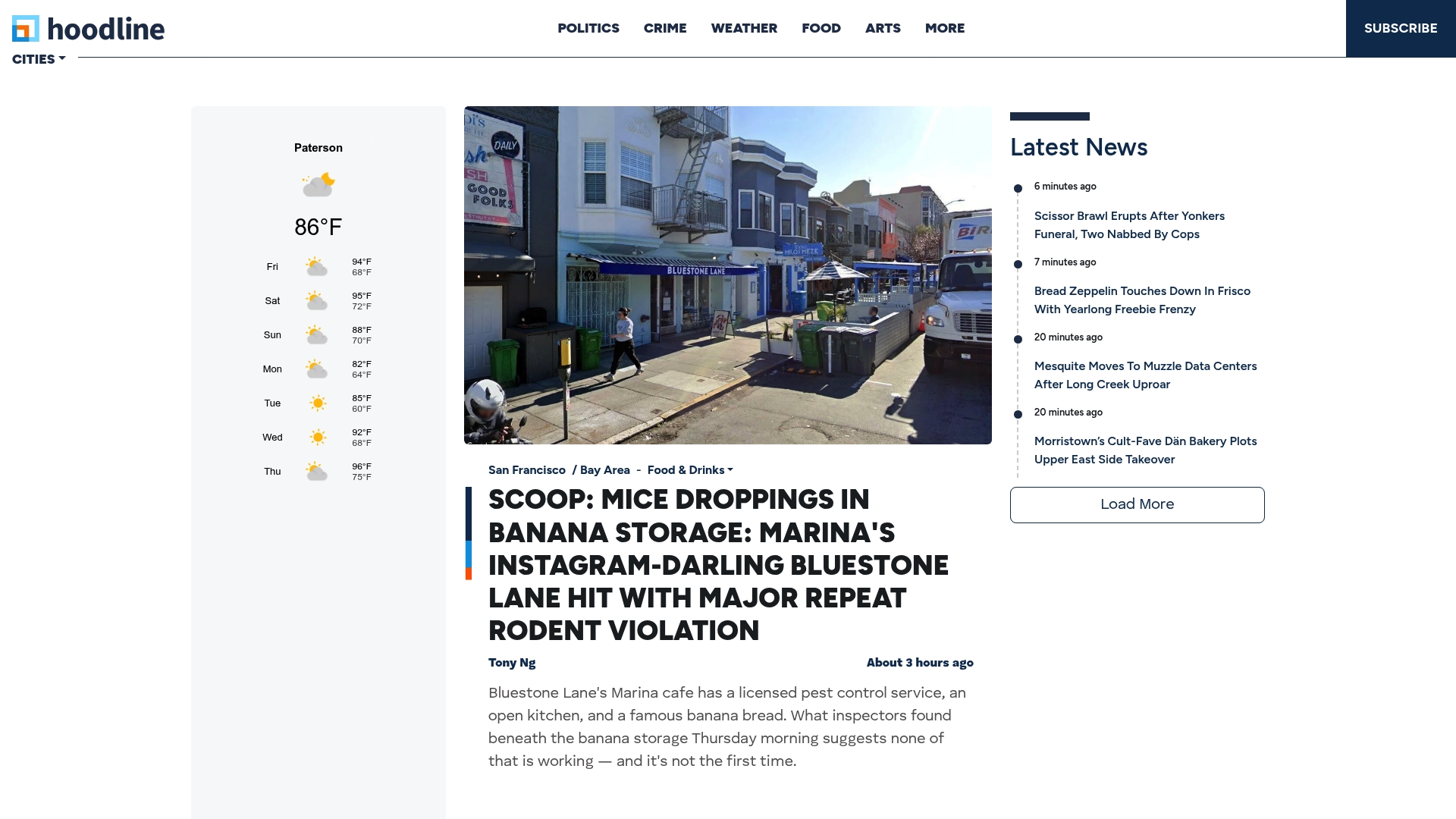
Publishes neighborhood level coverage across multiple U.S. cities for crime, food, weather, arts, and local politics. The site appears to operate as an informational publisher rather than a paywalled news product and offers free newsletter subscriptions for city updates.
Core Features
- City specific reporting that focuses on neighborhoods and local beats instead of broad national stories.
- Aggregates local news and events so readers can scan neighborhood developments in one place.
- In-depth articles across crime, real estate, food, arts, weather, and community issues.
- Optional email newsletters for city and neighborhood updates and tips.
Key Differentiator
Hoodline’s focus is neighborhood granularity across many cities rather than travel or commerce. Where Powersearch centers on hotels, attractions, and trip planning, Hoodline aims to keep residents informed about daily community developments and civic issues at a street level.
Pros
-
Local focus helps you track neighborhood changes that larger outlets miss. Reporting often names streets and blocks so the information is actionable for residents.
-
Wide topic coverage means you can read about crime reports, new restaurants, planning hearings, and weather alerts in one feed.
-
Community engagement options let readers submit tips and local leads, which feeds reporting and keeps coverage current.
-
No apparent paywall makes the site easy to use for casual readers and community groups who need quick updates.
Cons
-
The site discloses limited detail about its editorial reach and processes, which makes it harder to evaluate coverage depth across every city.
-
There are no third party reviews or independent evaluations available to judge reliability beyond the articles themselves.
-
Personalization features and interactive tools are minimal compared with some modern local news apps.
-
Covering many cities and categories can feel unfocused if you want a single curated view for one neighborhood.
When It May Not Fit
-
If you need customized alerts, saved searches, or app notification features, Hoodline lacks advanced personalization.
-
Organizations seeking independent verification or user ratings will find no third party reviews to reference.
-
If your priority is travel planning or hotel and attraction research, Powersearch and travel sites will better match that workflow.
Who It’s For
Local residents, community organizers, and city enthusiasts who want concise, neighborhood level reporting without a paywall. It suits readers who prefer scanning short dispatches and links over long investigative features.
Real World Use Case
A San Francisco resident subscribes to the city newsletter, scans Hoodline each morning for crime updates and new restaurant openings, and forwards relevant posts to a neighborhood association planning meeting. The site acts as a quick daily briefing for local decisions.
Website: https://hoodline.com
Comparative Analysis
Each hotel search and trip-planning platform offers unique capabilities that cater to different traveler needs and preferences. Below, we compare the key distinctions that highlight their strengths and trade-offs.
Transparent Pricing Versus Exclusive Membership Perks
Power Search NYC stands out with its strong commitment to pricing transparency and fee clarity. Users benefit from guides detailing potential expense categories, enabling informed decisions. In contrast, Tablet Hotels appeals to travelers looking for exclusivity and added luxury through its Tablet Plus membership perks. While Power Search NYC provides transparency, Tablet Hotels delivers value through luxury and design.
Local Expertise And Map-Based Resources
Loving New York, with its founder-driven expertise, excels in offering curated attraction pass comparisons and itinerary planning tools. Travelers interested in local insights will appreciate the tailored advice and subway maps. Meanwhile, Hotel Ninja focuses on streamlined price comparison integrations. While Hotel Ninja improves efficiency in cost analysis, Loving New York emphasizes informed travel experiences.
Best Fit Recommendations
- If you prioritize filtering choices for attributes like pet-friendly lodgings or included breakfast, Power Search NYC is tailored to these priorities.
- For travelers seeking luxury boutique hotels and unique upgraded experiences, Tablet Hotels offers distinct benefits.
- If you need local maps and daily trip structures for a New York visit, consider Loving New York.
Our Pick
We recommend Power Search NYC for its balance of transparent fee exploration and user-controlled filtering. While it lacks direct booking, the wealth of information and clarity it provides empowers users to make informed choices that suit their trip requirements. However, for those seeking curated style-focused accommodations, Tablet Hotels may better align with your desires.
NYC Hotel Search Platforms Comparison
Explore various platforms to identify the one that aligns best with your needs for both hotel and neighborhood-focused searches in the vibrant city of New York.
| Platform | Key Differentiator | Best For | Pricing | Notable Limitation |
|---|---|---|---|---|
| Powersearch | User control over price and fee visibility | Visitors needing fee transparency | Not disclosed | Does not host booking directly |
| Tablet Hotels | Focus on boutique and design-driven properties | Design-conscious travelers | $99/year membership | Membership costs limit accessibility |
| Loving New York | Founder-driven content based on firsthand NYC experience | Compact NYC trip planning | Not disclosed | Lacks user-generated updates |
| Hotel Ninja | Desktop extension for direct price comparison | Travelers valuing on-page price aggregation | Free | Supports Chrome browser exclusively |
| Patch.com | Hyperlocal event and classifieds focus | Residents and local businesses | Not disclosed | May have lower editorial quality |
| Hoodline | Free neighborhood-level reporting across multiple cities | Localized daily updates | Not disclosed | Limited personalization and interactive tools |
Discover Smarter Ways to Plan Your NYC Trip with Powersearch
Finding reliable alternatives to allny.com can feel overwhelming when you are searching for clear hotel options, neighborhood insights, and transparent pricing. Powersearch offers over 65 detailed hotel filters that let you cut through confusing fees and spot the best family-friendly or budget accommodations with confidence. Beyond hotels, the platform provides curated guides and neighborhood tips you won’t find easily elsewhere.
Stop guessing about hidden charges or unsuitable locations. Visit Powersearch NYC today to gain control over your hotel search with comprehensive filtering and fee transparency. Explore our Budget-Friendly tips to save more on your NYC stay and browse Uncategorized travel insights for fresh ideas tailored just for you. Book your ideal New York City experience with informed confidence starting now.
Frequently Asked Questions
How does Powersearch enhance the hotel search experience?
Powersearch enhances the hotel search experience by offering over 65 filters to narrow down options based on specific needs. This feature allows users to easily find pet-friendly, family rooms, or specific amenities like pools and breakfast, ensuring a tailored search experience. Start using these detailed filters to streamline your hotel selection process.
What is the difference between Tablet Hotels and Powersearch for hotel bookings?
Tablet Hotels specializes in a curated selection of boutique and design-driven hotels, often appealing to travelers looking for unique stays and style. In contrast, Powersearch offers a comprehensive search that includes 65 different attributes and fee transparency, making it better suited for users who prioritize detailed comparisons and budget considerations. Consider your preference for unique hotels versus extensive filtering options when deciding which platform fits your booking needs better.
Which platform provides better fee transparency for hotel bookings, Powersearch or Hotel Ninja?
Powersearch provides better fee transparency by explicitly labeling associated fees and taxes, while Hotel Ninja helps users find the final price after fees across booking platforms. This means that Powersearch is ideal for those who want to understand their total costs upfront, while Hotel Ninja is helpful for quick price comparisons. Utilize Powersearch if detailed fee awareness is essential for your travel planning.
Does Loving New York offer integrated booking directly through its site like Powersearch?
Loving New York does not offer integrated booking directly through its site; it redirects users to external vendors for reservations. Powersearch, on the other hand, focuses on providing all relevant cost information and comparisons before directing users to booking options. For a more streamlined experience with upfront cost visibility, Powersearch may be the better choice.
How does Hoodline differ from Powersearch in terms of local content?
Hoodline focuses on providing neighborhood-level news and community updates rather than hotel listings or travel planning resources like Powersearch. This specialization in local reporting can offer residents or visitors event information and community insights, but if your main goal is to search for hotels with detailed filters, Powersearch is more advantageous. Choose Powersearch for your hotel search needs in New York City.
No Comments