

How to Avoid Tourist Traps in NYC Hotels (2026)
Disclosure: This post may contain affiliate links. We may earn a commission for purchases made through links in this post, at no cost to you.
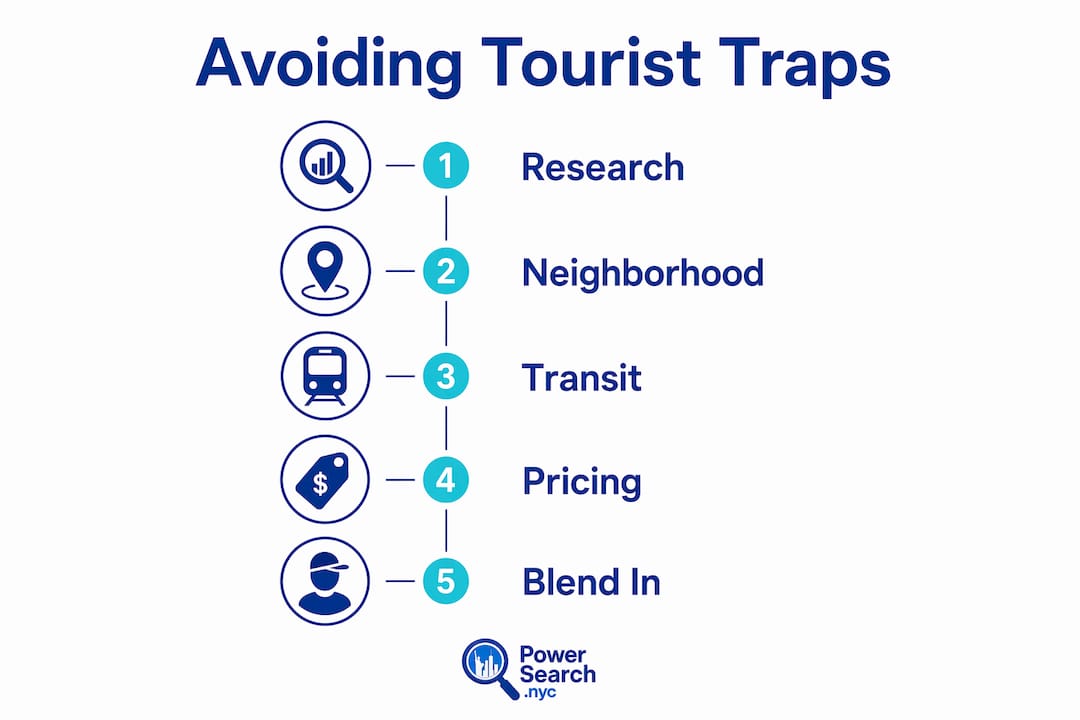
Staying smart in New York City starts before you ever unpack your bags. The single biggest mistake visitors make is booking a hotel based on name recognition or landmark proximity, then discovering that the room costs twice what it should, the street noise is unbearable, and a $40 “destination fee” appeared at checkout that nobody mentioned upfront. To avoid tourist traps in NYC hotels, prioritize subway access over address prestige, verify the total price before booking, and look beyond Midtown for neighborhoods that actually feel like New York.
Here is what that looks like in practice:
- Book near a subway line, not a landmark. Being within a few blocks of a major subway stop gives you the whole city. Being next to the Empire State Building just gives you crowds.
- Always check the total price, not the nightly rate. NYC hotels must include all mandatory fees at booking. The NYC Department of Consumer and Worker Protection is clear: a hotel cannot add resort or destination fees at check-in if those fees were not disclosed when you booked.
- Skip Times Square as a home base. It is loud, expensive, and surrounded by restaurants designed to extract money from people who do not know better.
- Look at neighborhoods like Long Island City, Chelsea, or Downtown Brooklyn. You get better value, a calmer vibe, and faster subway access to everything you actually want to see.
- Verify short-term rental listings carefully. NYC’s Local Law 18 heavily restricts short-term rentals, and an illegal listing can be canceled at any moment, leaving you scrambling for a room.
What are the biggest NYC hotel and neighborhood tourist traps?
Times Square is the most obvious offender, but it is far from the only one. Hotels in the immediate Times Square corridor charge a premium for the privilege of being surrounded by noise, neon, and chain restaurants with $28 burgers. The crowds do not thin out at night. The streets smell. And the hotels themselves often deliver mediocre rooms at luxury prices because they know tourists will pay for the zip code.
Midtown East and West have similar issues. You are paying for proximity to Grand Central, Rockefeller Center, or the Theater District, and the pricing reflects that. These are not bad areas, but they are not where you find value or authenticity. The hotels here cater to business travelers on expense accounts and first-timers who booked the first recognizable name they found.
A few specific traps worth knowing:
- Times Square hotels often charge peak rates year-round, though prices swing dramatically by month, with february being the cheapest and october the most expensive. Flexible travel dates can make a real difference.
- Short-term rental platforms carry serious risk in NYC. Under Local Law 18, most short-term rentals in private apartments are illegal and can be canceled without notice, leaving travelers without accommodation.
- Tourist-adjacent restaurants near landmarks like the High Line, 9/11 Memorial, or Rockefeller Center typically charge inflated prices for average food. Walk two blocks in any direction and the options improve dramatically.
- Aggressive solicitation is common in high-traffic tourist zones. People offering “free” CDs, comedy show tickets, or help with your MetroCard are not being generous.
- Hotels near major landmarks sometimes spike prices based on proximity alone, regardless of room quality or amenities.
Pro Tip: If a hotel’s main selling point is that it’s “steps from Times Square,” that is a warning, not a feature. Use that proximity as a reason to look elsewhere, not a reason to book.
Which neighborhoods give you a more authentic NYC experience?
New York is a city of neighborhoods, and most of the best ones are not the ones you see on postcards. Staying outside the tourist core does not mean sacrificing convenience. It usually means gaining it.

Long Island City, Queens sits directly across the East River from Midtown Manhattan, with some of the best skyline views in the city. The 7 train drops you in Midtown in under ten minutes. Hotels here tend to cost noticeably less than comparable rooms in Manhattan, and the neighborhood has good restaurants, coffee shops, and a growing arts scene. Families and budget-conscious travelers do particularly well here.
Chelsea and the West Village offer a completely different energy. These are walkable, charming neighborhoods where you will actually see locals walking their dogs and grabbing coffee. Chelsea has great transit access via the A, C, E, and 1 lines. The West Village is quieter and more residential, which makes it ideal if you want to feel like you live in New York rather than just visiting it. Boutique hotels in this area tend to be smaller and more personal than the Midtown giants.
Greenwich Village sits right next to the West Village and shares much of the same appeal. Washington Square Park is a genuine neighborhood gathering spot, not a tourist attraction. The dining scene is excellent and varied.
A few more options worth considering:
- Downtown Brooklyn has exploded with good hotels in recent years. You get Brooklyn’s energy, fast subway access to Manhattan, and prices that beat Midtown consistently.
- Upper West Side is calm, residential, and well-connected. It sits between Central Park and Riverside Park, which is a genuinely underrated green space. The 1, 2, and 3 trains run the length of the neighborhood.
- Astoria, Queens is another underrated pick, especially for travelers who want a neighborhood feel and easy access to both Manhattan and LaGuardia Airport.
For a deeper look at how these neighborhoods stack up, Powersearch’s NYC neighborhood guide breaks down transit, vibe, and value side by side.
How do you spot and avoid hidden hotel fees in NYC?
Hidden fees are one of the most frustrating parts of booking a hotel in New York. You find a rate that looks reasonable, click through, and by the time you reach the checkout screen, the total has climbed by $50 or more per night. Knowing what to look for puts you back in control.
The NYC Department of Consumer and Worker Protection is explicit: the rate you pay must match the rate you booked. A hotel cannot add destination fees, resort fees, or other service charges at check-in unless those fees were clearly disclosed when you made your reservation. This applies to bookings made through third-party sites too, not just direct hotel bookings.
What goes into a typical NYC hotel bill:
NYC hotel billing includes the base nightly rate, sales tax of 8.875%, an occupancy tax of $2–$8 per night, and sometimes additional resort or destination fees. Always ask for a full price breakdown before confirming.
Practical steps to protect yourself:
- Search for the total price, not the starting rate. Many booking platforms default to showing the base rate. Switch to “total price” view before comparing options.
- Read the fine print on amenity fees. Some hotels charge for Wi-Fi, gym access, or a “welcome amenity” you never asked for. These are often bundled into a daily fee.
- Ask about parking before you arrive. Midtown hotel parking can run $60–$80 per night or more. If you are driving, factor that in or find a nearby public garage.
- Budget for tips. Bellhops, housekeeping, and concierge staff all expect gratuities. This is not optional in NYC culture.
- Watch for occupancy taxes. These are legitimate city charges, but they vary by hotel size and category. Know they are coming so they do not surprise you.
- Check cancellation policies carefully. Some hotels offer lower rates with non-refundable bookings. If your plans might change, the savings are not worth the risk.
For a full breakdown of how NYC’s junk fee rules protect you, Powersearch’s guide to hidden hotel charges covers exactly what hotels are and are not allowed to charge.
How do you blend in and avoid looking like a tourist in NYC?
Looking like a tourist in New York does not just affect your experience. It can affect your wallet and your safety. Certain behaviors signal to scammers and overpriced vendors that you are unfamiliar with how the city works, and they will take advantage of that.
The most common mistake is engaging with strangers offering free things near major tourist sites. Free CDs, “comedy show” flyers, and offers to help you buy a MetroCard are almost always setups. The NYPD’s crime prevention guidance is straightforward: ignore these approaches entirely and use only official transit ticket booths if you need help. The MTA has staffed booths at most major stations, and the machines themselves have clear instructions.
A few habits that help you move through the city like someone who knows what they are doing:
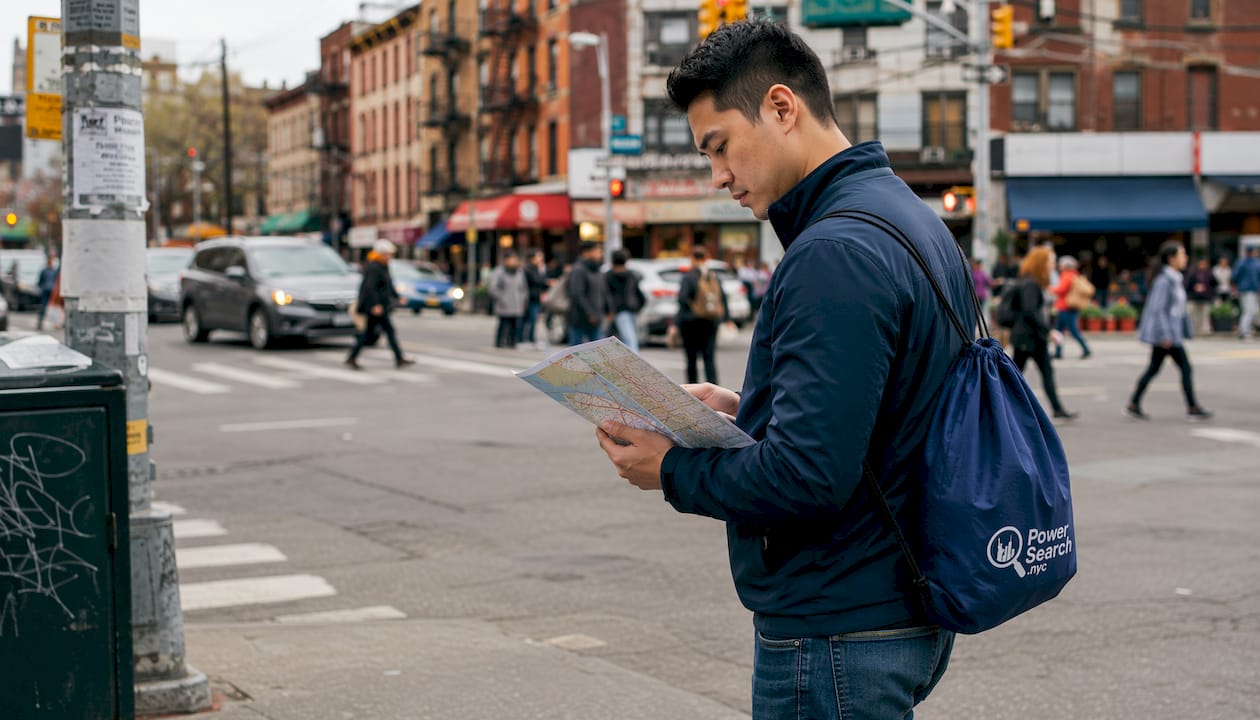
- Use your phone for navigation, not a paper map. A map held open at chest height is the universal signal for “I have no idea where I am.”
- Walk with purpose. New Yorkers do not stop in the middle of the sidewalk to look around. Step to the side if you need to check your phone.
- Dress practically. You do not need to dress like a local exactly, but comfortable shoes and a crossbody bag are far more practical than rolling luggage and a camera around your neck.
- Avoid peak tourist hours at major sites. The Empire State Building observation deck, the 9/11 Memorial, and the High Line are all far more enjoyable before 10 AM or after 4 PM.
- Eat where locals eat. A restaurant with a laminated menu, photos of every dish, and a host standing outside waving people in is not where locals go. Walk half a block off the main drag and the quality goes up while the price goes down.
- Know your subway line before you get on. Staring at the subway map on the platform while a train is arriving is a stressful way to travel. Check your route before you leave the hotel.
For a broader look at unusual NYC experiences that take you off the tourist circuit entirely, there are plenty of options that most visitors never find.
How Powersearch helps you find hotels that skip the tourist traps
Powersearch is built specifically for travelers who want to cut through the noise and find hotels that actually make sense for their trip. Rather than showing you a wall of listings sorted by sponsored placement, Powersearch lets you filter by what actually matters: subway proximity, neighborhood, price range, and amenity type.
Here is how to get the most out of it:
- Filter by subway access first. Powersearch lets you search by neighborhood and transit connectivity, so you can find hotels within a few blocks of a major line without manually cross-referencing a subway map.
- Use the neighborhood guides. Before you book, Powersearch’s curated neighborhood content helps you understand the vibe, safety, and transit options for each area. This is especially useful if you are deciding between, say, Long Island City and Downtown Brooklyn.
- View total pricing, not just base rates. Powersearch surfaces fee-inclusive pricing so you are not surprised at checkout. This aligns directly with NYC’s consumer protection rules on undisclosed fees.
- Browse by hotel type. Whether you are looking for family-friendly NYC hotels, boutique properties in quieter neighborhoods, or budget options near good transit, Powersearch has filtered categories for each.
- Read curated reviews and expert picks. The platform combines user reviews with editorially curated lists, so you get both the crowd’s opinion and a knowledgeable local perspective.
If you are booking for the first time, the first-time NYC hotel guide on Powersearch walks you through the whole process, from neighborhood selection to understanding what your bill should look like.
Key Takeaways
Staying smart in NYC means choosing hotels near major subway lines, verifying total pricing before booking, and picking neighborhoods that offer real local character over tourist-zone convenience.
| Point | Details |
|---|---|
| Subway access beats location prestige | A hotel near a major subway line gives you the whole city; proximity to a landmark just gives you crowds and higher rates. |
| Hidden fees are illegal if undisclosed | NYC law requires all mandatory fees to be disclosed at booking; a hotel cannot add resort or destination fees at check-in. |
| Times Square is rarely worth the premium | Prices peak in october and the area is noisy year-round; neighborhoods like Chelsea or Long Island City offer better value. |
| Know your full bill before you confirm | NYC hotel costs include an 8.875% sales tax and a nightly occupancy tax of $2–$8, on top of any base rate. |
| Powersearch filters out the tourist trap options | Use Powersearch’s subway proximity filters and neighborhood guides to find transparent, well-located hotels before you book. |
Why the conventional wisdom on NYC hotels gets it backwards
Most travel advice tells you to stay as close to the action as possible. Book near Times Square so you can walk everywhere. Pay extra for the Midtown address so you save on cab fare. It sounds logical, and it is almost always wrong.
The real cost of a Times Square hotel is not just the nightly rate. It is the noise that wakes you up at 2 AM, the $22 breakfast because the nearest diner is a tourist trap, and the mental exhaustion of being in a full sensory overload experience every time you step outside. You pay more and you enjoy it less.
What actually works is thinking about your hotel the way a commuter thinks about an apartment. You want fast, reliable access to the places you care about, not to be physically on top of them. A hotel in Long Island City with a ten-minute subway ride to Midtown is a better base than a Times Square hotel where you are already at the destination but miserable getting there. The same logic applies to Chelsea, Downtown Brooklyn, and the Upper West Side.
The other thing most guides underplay is the fee issue. Travelers who book based on the displayed nightly rate and do not read the fine print often end up paying significantly more than they expected. NYC’s consumer protection rules exist precisely because this was such a widespread problem. Knowing that a hotel cannot legally add undisclosed fees at check-in is not just useful information. It is leverage. If a hotel tries it, you have a clear right to dispute it.
The best NYC trips tend to share a pattern: travelers who stayed somewhere slightly off the beaten path, used the subway like a local, ate at places without laminated menus, and came home feeling like they actually saw the city rather than the tourist version of it. That experience is available to anyone. It just requires making a few different choices at the booking stage.
Ready to book a hotel that actually works for your trip?
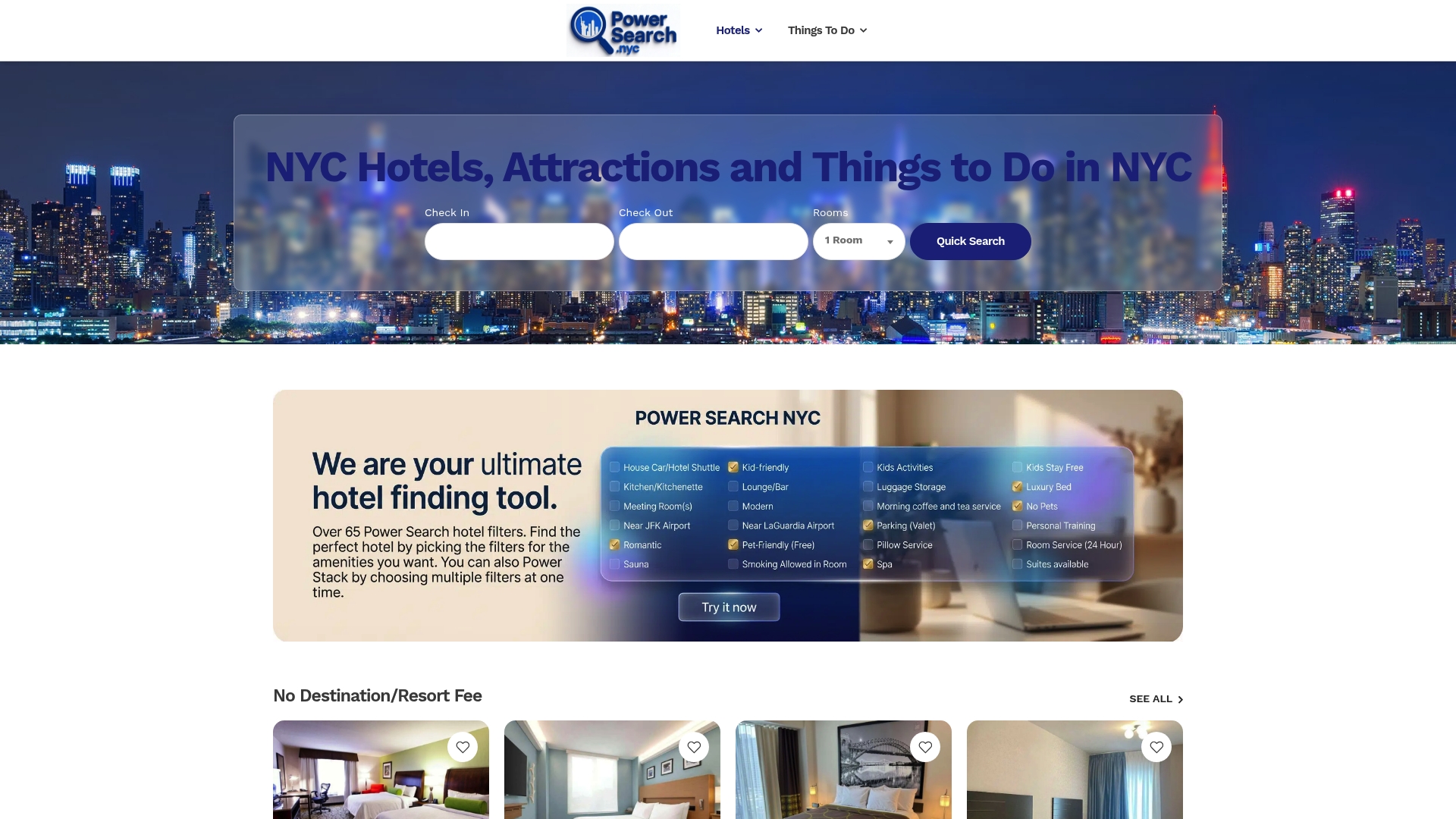
Powersearch makes it easy to find NYC hotels with transparent pricing, real subway access, and neighborhood context that helps you choose wisely. Whether you are looking for a family-friendly suite, a boutique property in a quieter neighborhood, or just want to understand why a licensed hotel beats a vacation rental in NYC, Powersearch has the tools to help you get it right. Start your search at Powersearch NYC and skip the tourist trap pricing from the start.
No Comments