
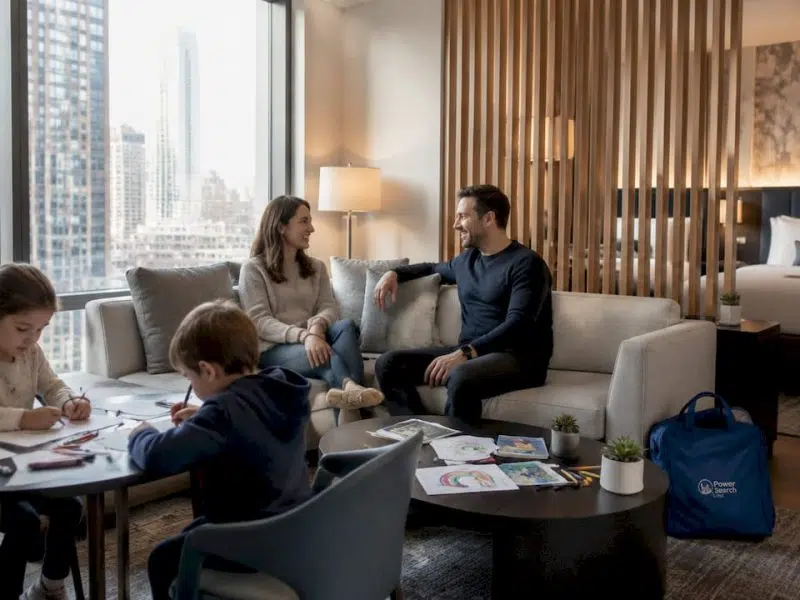
Benefits of Suite Hotels for Families: 2026 Guide
Disclosure: This post may contain affiliate links. We may earn a commission for purchases made through links in this post, at no cost to you.
Suite hotels are defined as accommodations with at least one separate living area distinct from the sleeping quarters, making them the most practical choice for family travel. The benefits of suite hotels for families go well beyond extra square footage. You get real privacy, a functioning kitchen, multiple bathrooms, and a layout that keeps everyone from driving each other crazy by day three. Whether you’re planning a long weekend in New York City or a full week away with grandparents in tow, a family suite changes the entire experience. This guide breaks down exactly why.
1. What are the benefits of suite hotels for families?
Suite hotels give families something a standard room simply cannot: physical separation. Bedroom separation is the top benefit for families, reducing “vacation fatigue” by letting parents maintain routines after kids go to sleep. That means you can actually have a conversation, watch something on TV, or just breathe without whispering.
The core layout of a true suite includes a closed bedroom, a separate living room, and often a kitchenette or full kitchen. This setup works for families with toddlers, teens, and even multi-generational groups where grandparents need their own quiet space. The difference between a suite and a standard room is not just size. It’s function.
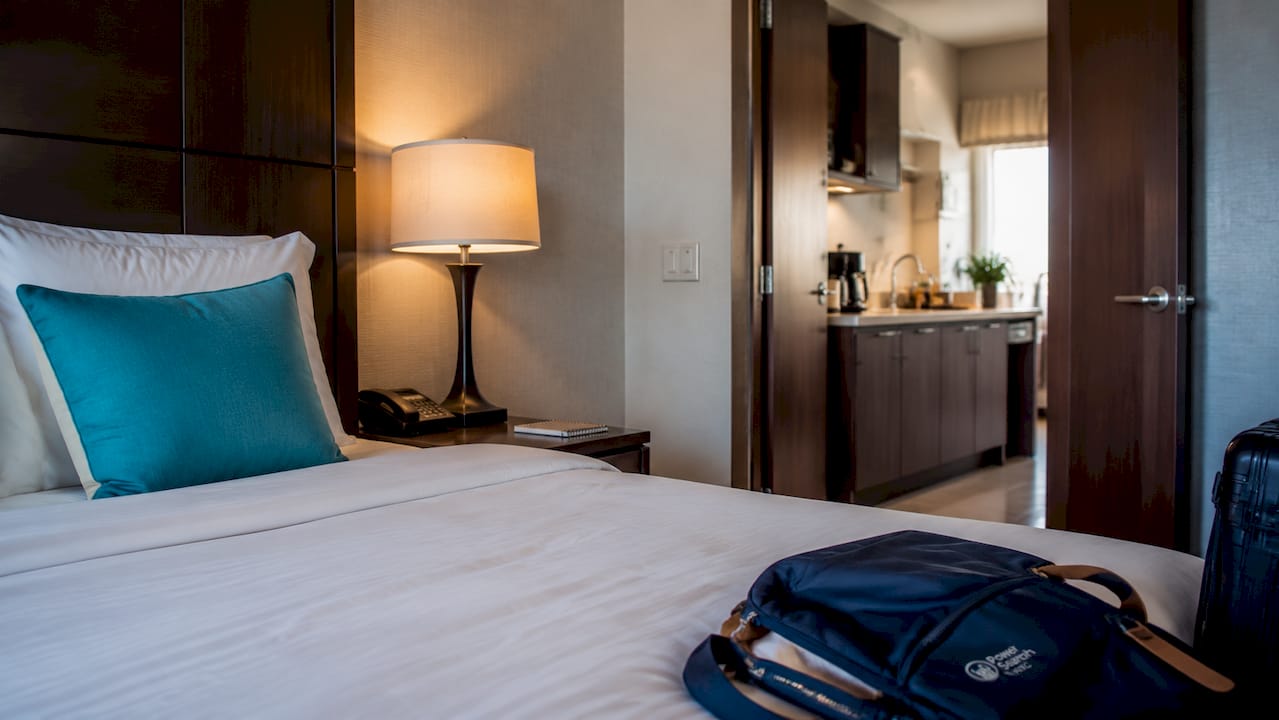
Families who book suites consistently report lower stress levels during travel. The space gives each person room to decompress, which matters a lot on day four of a vacation when everyone is tired and overstimulated.
2. Space and privacy: how suite layouts support families
Not all suites are created equal. Junior suites often lack full physical separation between sleeping and living areas, which defeats the purpose for families with young children or different sleep schedules. A true suite has a door that closes between the bedroom and the living area. That door is everything.
Here’s what to look for in a family suite layout:
- Separate bedroom with a closing door for parents or grandparents
- Living room with a sleeper sofa for older kids or teens
- Full bathroom plus a half bath so mornings don’t become a traffic jam
- Dining area so the family can eat together without sitting on the bed
Pro Tip: Always call the hotel directly to confirm the suite has a physical door between rooms, not just an open floor plan. Many “suites” listed online are junior suites with no real separation.
Multi-generational families benefit most from true two-bedroom suites. Grandparents get their own room, parents get theirs, and kids can share the living space without anyone feeling cramped. That kind of layout turns a potentially stressful trip into something people actually want to repeat.
3. Which family-friendly amenities set suite hotels apart?
Modern family suites include full kitchen facilities, separate sleeping and living zones, and concierge support for items like cribs and bottle warmers. These are not luxury extras. For families, they are practical necessities.
The amenities that matter most for families, ranked by daily impact:
- Full kitchen or kitchenette with a refrigerator, microwave, and stovetop
- Multiple bathrooms so six people aren’t fighting over one sink
- In-suite washer/dryer for longer stays or trips with young kids
- Concierge family support for pre-arranged cribs, high chairs, and bottle warmers
- In-suite entertainment including streaming services and kid-friendly channels
- Dedicated dining area for family meals without restaurant noise and wait times
Pro Tip: Contact the hotel concierge at least two to four weeks before arrival to request family-specific items. Pre-arrival requests made in advance are prioritized over those made at check-in, so you’re far more likely to walk into a room that’s already set up for your family.
The kitchen is the single biggest differentiator. You can stock it with breakfast foods, snacks, and drinks on day one. That alone changes the pace of your whole trip.
4. How do suite hotels save families money?
The upfront cost of a suite looks higher. The total cost often is not. Booking one suite can save families between $2,000 and $4,000 over a four-night stay compared to booking two separate rooms. That savings comes from avoiding multiple room fees, resort charges, and daily dining costs.
Here’s a realistic cost comparison for a family of four over four nights:
| Expense | Two Standard Rooms | One Family Suite |
|---|---|---|
| Nightly room rate (x4) | $800–$1,200 | $600–$900 |
| Daily resort/amenity fees | $120–$200 | $60–$100 |
| Dining out (breakfasts x4) | $200–$320 | $60–$100 (in-suite) |
| Snacks and drinks | $80–$120 | $30–$50 (grocery run) |
| Estimated total | $1,200–$1,840 | $750–$1,150 |
Meal preparation in suites with kitchens can offset higher upfront costs by saving hundreds of dollars on dining out during a typical four-night stay. That’s not a minor detail. Restaurant meals for a family of four add up fast, especially in a city like New York where a casual breakfast can run $80 before tip.
You can also check NYC family hotel pricing to understand how suite rates compare to standard rooms in different neighborhoods before you book.
5. How suites reduce travel stress and improve family dynamics
A suite acts as a neutral zone. Suites provide a common area for meals and group activities that prevents high-stress atmospheres, especially during longer stays. When everyone has a place to spread out, the small irritations of travel stop escalating into real arguments.
“The suite gave us somewhere to actually be together without being on top of each other. The kids could watch TV in the living room while we had coffee and talked like adults. That hadn’t happened on a family trip in years. It felt like we were actually on vacation, not just surviving it.”
Private space also supports individual routines. A parent who wakes early can make coffee and read without disturbing anyone. A teenager who stays up late can watch something in the living room without keeping a younger sibling awake. These small freedoms reduce friction in ways that are hard to measure but impossible to ignore.
Families traveling with members who have special dietary needs, allergies, or medical schedules benefit especially from suite accommodations. Having a kitchen means you control what goes into every meal. That’s not a convenience. For some families, it’s a requirement.
6. When to choose a suite over connecting rooms or multiple rooms
Connecting rooms sound like a good idea. In practice, connecting rooms often cost more than suites during peak seasons and may not be confirmed until arrival. A suite guarantees your layout and amenities at booking. A connecting room does not.
| Situation | Best Option | Why |
|---|---|---|
| Family with toddlers | True suite | Closed bedroom keeps nap schedules intact |
| Family with teens | Two-bedroom suite | Teens need their own space; parents do too |
| Multi-generational group | Two-bedroom or penthouse suite | Separate rooms for grandparents and parents |
| Budget-focused family | Junior suite or studio suite | More space than a standard room at lower cost |
| Short city trip (2 nights) | Connecting rooms | May be cost-effective for very short stays |
Luxury travel advisor Julie Gates notes that true suites outperform junior suites for multi-generational peace and privacy. The closed door is not optional when you’re traveling with three generations. Junior suites with open layouts create the same noise and privacy problems as a standard room, just with more floor space.
For families visiting New York City, understanding connecting room options helps you weigh the trade-offs before committing to a booking.
Two bathrooms are the minimum recommended for groups of four or more. If a suite only has one bathroom, it’s not really solving the morning logistics problem for a family.
Key takeaways
Suite hotels are the most cost-effective and comfortable accommodation choice for families of four or more, offering guaranteed privacy, kitchen savings, and layouts that reduce travel stress.
| Point | Details |
|---|---|
| True suites beat junior suites | Only true suites with closing doors provide real privacy for parents and children. |
| Kitchens cut real costs | In-suite meal prep saves hundreds of dollars on a four-night family trip. |
| Book amenities early | Request cribs and family items two to four weeks before arrival for guaranteed setup. |
| Suites guarantee your layout | Connecting rooms may not be confirmed until check-in, unlike suites. |
| Space reduces family stress | Separate living areas prevent friction and support individual routines during travel. |
My honest take on suite hotels for families
I’ve helped a lot of families sort through hotel options for New York City trips, and the suite question comes up constantly. The hesitation is always the same: the nightly rate looks higher, so families assume it costs more. It usually doesn’t, once you factor in what you’re actually spending across the whole trip.
The bigger issue I see is families booking junior suites thinking they’re getting real separation. They arrive, realize the “suite” is just a slightly bigger room with a curtain or a half-wall, and the whole dynamic suffers. Always verify the floor plan before you book. Ask for a diagram or a photo of the actual room layout. Hotels are happy to provide this, and it takes two minutes.
What I find most underrated about suites is the mental health benefit. Travel with kids is genuinely exhausting. Having a space where adults can decompress after bedtime is not a luxury. It’s what makes the trip enjoyable instead of just survivable. Families who book suites tend to come back from vacation actually rested. That’s the real measure of a good hotel choice.
If you’re planning a multi-generational trip, do not compromise on the two-bedroom suite. The cost difference between a junior suite and a true two-bedroom suite is almost always worth it. The alternative is four days of everyone getting on each other’s nerves in a space that was designed for two people.
— Mark
Planning your family suite stay in New York City
New York City has no shortage of suite options, but finding the right one for your family’s size, budget, and neighborhood preference takes a bit of work.

Powersearch makes that search straightforward. The NYC hotel suite booking guide walks families through exactly what to look for, how to compare suite types across neighborhoods, and which amenities to prioritize based on your group’s needs. You can filter by family-friendly features, check proximity to attractions, and see real pricing without hidden surprises. If you’re still deciding between a suite and other options, the NYC accommodation guide for groups gives you a clear side-by-side breakdown. Plan smarter, spend less, and actually enjoy the trip.
FAQ
What is the main benefit of a suite hotel for families?
The primary benefit is physical separation between sleeping and living areas, which reduces travel stress and lets parents maintain routines after children go to sleep.
Are suite hotels actually cheaper than booking two rooms?
Booking one suite can save families between $2,000 and $4,000 over a four-night stay compared to two separate rooms, factoring in room fees and reduced dining costs.
What’s the difference between a junior suite and a true suite?
A junior suite typically has an open floor plan with no door between sleeping and living areas. A true suite has a separate, closed bedroom, which is what families actually need for privacy.
When should families choose connecting rooms over a suite?
Connecting rooms work for very short stays of one to two nights where cost is the only priority, but they carry the risk of not being confirmed until check-in, unlike suites.
How early should I request family amenities like cribs or bottle warmers?
Request family-specific items two to four weeks before arrival. Hotels prioritize pre-arrival requests over those made at check-in, so early contact guarantees a properly equipped room.
No Comments