
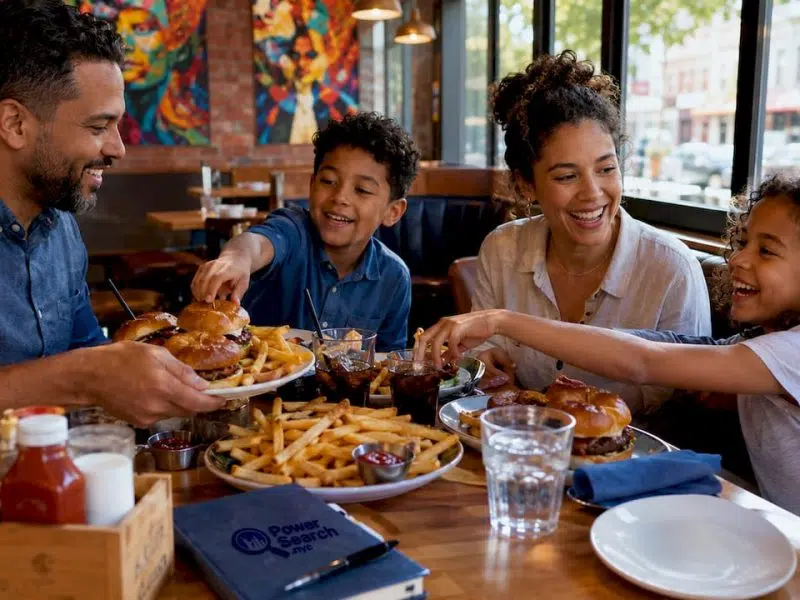
NYC Family Dining: 8 Types for Every Family
Disclosure: This post may contain affiliate links. We may earn a commission for purchases made through links in this post, at no cost to you.
New York City offers more types of NYC family dining experiences than any other American city, from communal Italian feasts to classic all-night diners and activity-packed entertainment venues. The best family-friendly dining in NYC falls into eight distinct categories, each suited to different family sizes, budgets, and energy levels. Knowing which format fits your crew before you leave the hotel saves you from wandering hungry through Midtown with tired kids. This guide breaks down every major format so you can match your meal to your day.
1. What are the types of NYC family dining experiences?
Family dining in NYC covers a wide spectrum. At one end, you have family-style Italian restaurants built around shared plates and communal energy. At the other, you have quiet diners where a toddler can drop a fork without anyone flinching. The right choice depends on your family’s age mix, appetite range, and how much city walking you have already done that day.
The eight main formats are: family-style Italian, American brasseries, activity-integrated venues, classic diners, culturally diverse eateries, quick-service spots, waterfront and park-adjacent restaurants, and hotel dining. Each one solves a different family problem. Understanding the differences helps you plan a trip where meals feel like highlights, not logistics.
2. Family-style Italian restaurants
Family-style Italian is the gold standard for NYC restaurants for families with mixed ages and big appetites. The format works on a simple principle: large platters of pasta, meatballs, and bread land in the center of the table, and everyone helps themselves. That eliminates the “I don’t like what I ordered” meltdown that derails so many restaurant meals with kids.
Portions at these venues are designed for groups of four or more. That scale means you order fewer dishes than people at the table, which keeps the bill manageable and the table from getting cluttered. Locations near Broadway and the Theater District make these spots a natural fit after a matinee show.
- Reservations are required, often 1–2 weeks ahead during peak summer and holiday seasons
- Ask for a corner or booth table when you book to give kids more room
- Lively noise levels work in your favor: no one notices a fussy toddler
Pro Tip: Call the restaurant when you book and mention you have young children. Many will seat you earlier in the service window before the dinner rush hits.
Shared family-style dining also removes the ordering stress that comes with large groups. One adult scans the menu, picks three or four dishes, and the whole table eats. That simplicity is underrated when you are managing a multi-generation group.
3. American-style brasseries
American brasseries are the reliable middle ground of family-friendly dining in NYC. These are full-service restaurants with broad menus that cover burgers, salads, pasta, fish, and vegetable dishes all on one page. Every person at the table, from the five-year-old to the grandparent, finds something without negotiation.
Entrees at American brasseries typically run $20–$40. That price range sits comfortably between fast food and fine dining, which makes it workable for most family budgets on a multi-day NYC trip. There are no dress codes and no noise restrictions, so you can walk in from Central Park in sneakers and feel completely at home.
- Menus almost always include a dedicated kids’ section alongside adult options
- Locations cluster in Midtown, the Upper West Side, and the Flatiron District
- Lunch service is often faster and cheaper than dinner at the same venue
- These restaurants handle large parties well, which matters for extended family groups
The relaxed atmosphere is a genuine asset on sightseeing days. You can linger over dessert without feeling rushed, or ask for the check the moment the kids start getting restless.
4. Activity-integrated dining venues
Activity-integrated dining is the format that keeps school-age kids genuinely engaged from arrival to departure. These venues combine a full food menu with an activity, typically bowling, arcade games, or a retro soda fountain experience. The food is secondary to the event, but the quality at the better spots is solid enough that adults leave satisfied too.
Activity-integrated venues increase engagement for school-age children by 20–30% compared to standard sit-down restaurants. That engagement gap matters on a long NYC day when kids have already walked through a museum and ridden the subway twice.
- Bowling alley eateries in Brooklyn and Manhattan serve full menus alongside lane reservations
- Retro soda fountains in Manhattan offer ice cream, milkshakes, and sandwiches in a nostalgic setting
- Arcade-style venues in Midtown combine classic games with casual American food
Pro Tip: Book lane or activity time separately from your food reservation. Walk-in activity slots fill up fast on weekends, especially between noon and 4:00 PM.
These venues work best as a reward at the end of a heavy sightseeing day. Pair them with things to do nearby so the activity venue becomes the natural endpoint of your afternoon route.
5. Classic diners
Classic NYC diners are open around the clock and serve menus that run to multiple pages. That combination of availability and variety makes them the most flexible option for families on unpredictable schedules. Classic diners attract families who want reliable American dishes, comfortable booths, and zero pretension.
The booth seating is a practical win with young kids. Wide benches give toddlers room to sit beside a parent, and the tables are sturdy enough to handle a juice spill without drama. Diners also move fast, which matters when a hungry six-year-old has officially run out of patience.
Prices at diners are among the lowest for sit-down dining in NYC. A full breakfast or lunch for a family of four rarely exceeds $60 before tip. That affordability makes diners a smart choice for the days when you have already spent money on museum tickets and Broadway shows.
6. Culturally diverse eateries
NYC’s culinary diversity is one of its greatest assets for families. Authentic cultural dishes like dim sum, tacos, and Middle Eastern mezze enhance satisfaction for the whole table because they naturally encourage sharing and exploration. Parents often mistakenly equate “kid-friendly” with play areas, but successful NYC family dining more often happens at lively local institutions where natural energy is accepted and the food is genuinely good.
Dim sum in Chinatown is a perfect example. Small plates arrive continuously, kids can point at what looks interesting, and the communal format keeps everyone busy. The noise level in a busy dim sum hall is high enough that no one notices a restless toddler. Taqueria-style Mexican spots in the East Village and Jackson Heights work similarly: fast, flavorful, and forgiving of chaos.
- Chinatown dim sum: ideal for curious eaters aged 4 and up
- Jackson Heights, Queens: authentic South Asian and Latin American options at low prices
- Middle Eastern spots in the West Village: mezze plates work well for mixed-appetite tables
- Avoid peak lunch hours (12:00–1:30 PM) at popular spots to reduce wait times
NYC’s culinary diversity encourages families to skip limited kids’ menus entirely and introduce children to real food. That approach increases enjoyment for adults and quietly expands what kids are willing to eat.
7. Quick-service and counter spots
Quick-service dining is not a compromise. In NYC, the quality at counter-service spots often matches or beats full-service restaurants in other cities. These venues work best for lunch on heavy sightseeing days when you need to eat fast and keep moving. Think pizza by the slice, bagel shops, and ramen counters.
Pizza by the slice is the unofficial family meal of New York City. A family of four can eat for under $20, stand at a counter for ten minutes, and be back on the street without losing momentum. The same logic applies to bagel shops in the morning: fast, filling, and genuinely local.
Neighborhood-based dining planning reduces travel stress and creates a more relaxed experience for families. Quick-service spots are the easiest format to plan around a neighborhood, because they exist on nearly every block in Manhattan and Brooklyn.
8. How to choose the right dining format for your family
Matching your dining choice to your itinerary is the single most effective way to avoid dining fatigue on an NYC trip. Restaurants close to museums, Broadway, and Central Park reduce the travel time between activities and meals, which matters enormously when you have young kids in tow.
- Museum days (MoMA, Natural History, Met): American brasseries and diners on the Upper West Side or Midtown East
- Broadway matinees: family-style Italian in the Theater District, booked in advance
- Brooklyn days (DUMBO, Prospect Park): activity-integrated venues or culturally diverse spots in Park Slope
- Downtown sightseeing (Brooklyn Bridge, Wall Street): quick-service pizza and counter spots
- Rest days: culturally diverse eateries in a neighborhood you are already staying in
For families with toddlers, calling ahead about high chairs 24–48 hours before your reservation is non-negotiable. NYC restaurant spaces are tight, and not every venue keeps stroller parking or extra high chairs on hand without advance notice. Checking your NYC neighborhood options before you book a hotel also helps you cluster your dining and sightseeing in the same area.
Many NYC family-friendly restaurants integrate approachable dishes for children into their regular menus rather than relying on a separate kids’ menu. That approach benefits parents who want to eat well and kids who are ready to try something new.
Key Takeaways
The best NYC family dining strategy matches the venue format to your daily itinerary, your kids’ ages, and your budget rather than defaulting to the nearest restaurant.
| Point | Details |
|---|---|
| Match format to your day | Choose family-style Italian near Broadway, diners near museums, and quick-service on walking-heavy days. |
| Book Italian spots early | Family-style Italian restaurants require reservations 1–2 weeks ahead during peak seasons. |
| Call ahead for toddlers | Request high chairs and stroller space 24–48 hours before arrival to avoid seating problems. |
| Skip the kids’ menu | Many NYC restaurants integrate child-friendly dishes into the main menu, giving everyone better food. |
| Plan by neighborhood | Dining near your sightseeing location cuts travel time and keeps tired kids from melting down. |
What I’ve learned about eating out in NYC with kids
The biggest mistake families make in NYC is treating dining as a break from the trip rather than part of it. A dim sum lunch in Chinatown or a bowling alley dinner in Brooklyn is not just fuel. It is an experience the kids will talk about on the flight home.
I have watched families spend 45 minutes walking to a “famous” restaurant that turned out to be mediocre, while a genuinely great family-style Italian spot sat two blocks from their hotel. The lesson: proximity and format matter more than reputation. A good meal in the right format, close to where you already are, beats a great meal that requires a 30-minute subway ride with a stroller.
My personal preference for families with mixed ages is the family-style Italian format for dinner and quick-service spots for lunch. That combination keeps costs reasonable, minimizes ordering stress, and gives everyone something they actually want to eat. For families with school-age kids who have energy to burn, an activity-integrated venue once during the trip is worth every penny.
The one thing I would tell every family planning an NYC trip: do not save the fun dining experiences for the last night. Build them into the middle of the trip when energy is still high and everyone is in the mood to try something new.
— Mark
Powersearch makes NYC family trip planning easier
Planning meals is only one piece of an NYC family trip. Where you stay shapes everything else, including how far you walk to dinner and how quickly you can get back to the hotel when a toddler hits the wall.

Powersearch gives families a single place to search hotels near the dining clusters and neighborhoods covered in this guide. You can filter by location, amenities, and price to find a spot that puts you close to the food and activities that matter most. Check out the NYC family vacation guide for a full itinerary framework, or use the hotel search tool to find family-friendly stays near Midtown, Brooklyn, and the Upper West Side right now.
FAQ
What is the best type of restaurant for NYC families?
Family-style Italian restaurants are the top pick for mixed-age groups because shared plates reduce ordering stress and large portions suit groups of four or more. Book at least one to two weeks ahead during peak seasons.
How much does family dining in NYC typically cost?
American brasseries run $20–$40 per entree, diners cost well under $60 for a family of four, and quick-service spots like pizza by the slice feed a family for under $20.
Do NYC restaurants accommodate toddlers and strollers?
Most do, but space is limited. Call 24–48 hours ahead to request high chairs and confirm stroller parking so staff can assign the right table before you arrive.
Are kids’ menus common at NYC family restaurants?
Many NYC family-friendly restaurants integrate child-friendly dishes into their regular menus rather than offering a separate kids’ menu, which gives both parents and children better food options.
Which NYC neighborhoods have the most family dining options?
Midtown, the Upper West Side, the Theater District, Park Slope in Brooklyn, and Chinatown all cluster multiple family-friendly dining formats within easy walking distance of major attractions.
No Comments