

Top 6 Sites for tablelist.com Alternatives 2026
Disclosure: This post may contain affiliate links. We may earn a commission for purchases made through links in this post, at no cost to you.
Planning a New York City hotel or nightlife reservation is often slowed down by limited filtering, surprise fees, and platforms that hide venue details until late in the booking flow. Many big-name search sites restrict transparency around prices or fail to surface unique options for events and last-minute plans, leaving planners searching multiple services to compare real costs, guest perks, and table availability. This comparison highlights the search tools, fee clarity, event perks, and booking guarantees offered by six major NYC-focused platforms so you can match one to your exact travel or party needs without back-and-forth guesswork.
Table of Contents
Power Search NYC
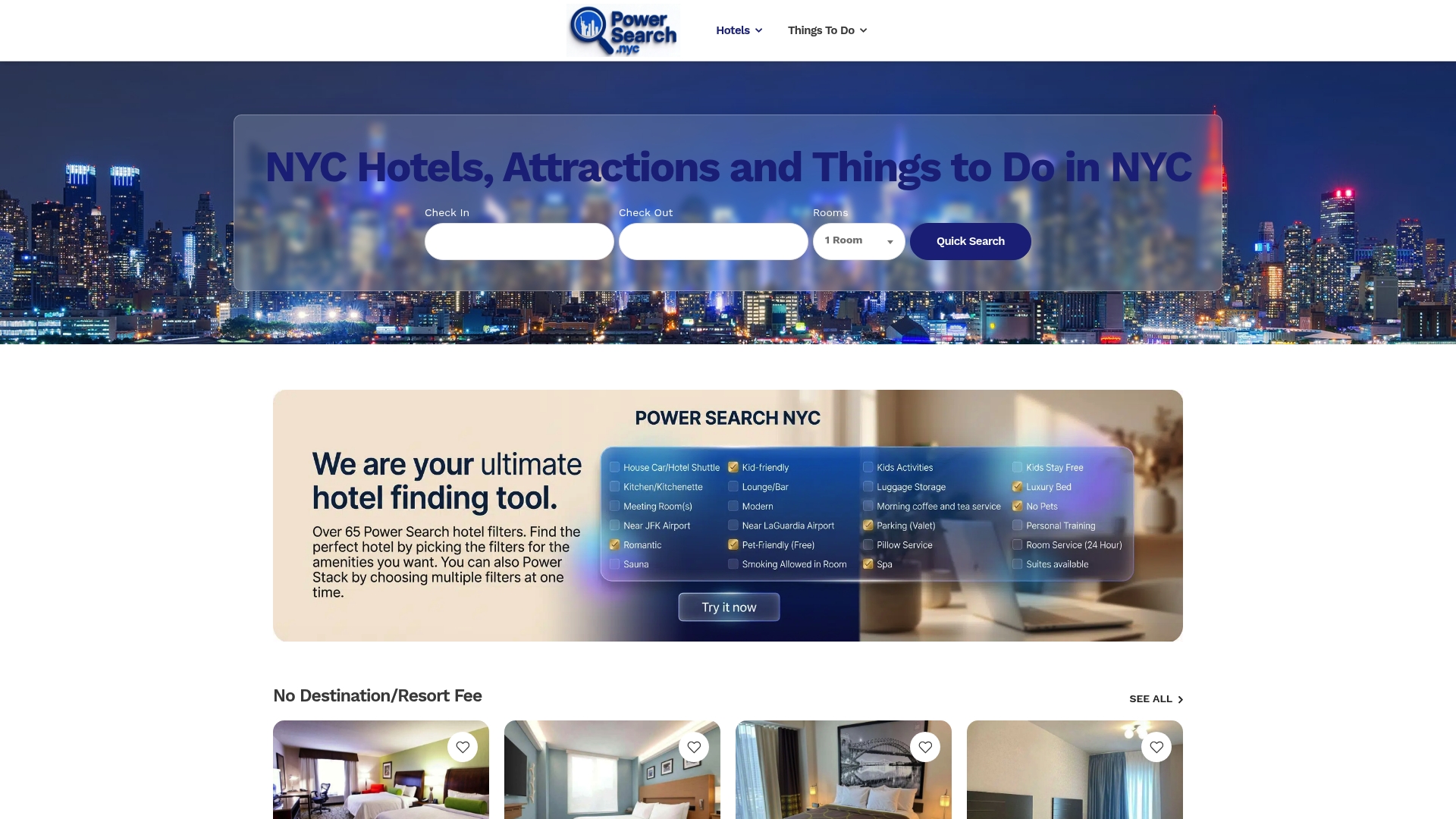
At a Glance
The vendor advertises advanced hotel filtering with over 65 amenities and dedicated fee filters that let you isolate resort fees, destination charges, and other surcharges from displayed prices. Power Search NYC pairs those tools with curated guides and neighborhood-focused hotel lists for New York City planning.
Core Features
- Advanced hotel filtering: Narrow results by more than 65 amenity tags, neighborhood proximity, and price band to match exact needs.
- Fee filtering tools: Toggle out listings with resort fees or add-on surcharges so displayed totals reflect expected out-of-pocket cost.
- Curated activities and tickets: An events and tours database surfaces Broadway, museums, and local experiences alongside hotel options.
- Editorial guides: Neighborhood guides, booking tips, and articles explain hidden charges and local tradeoffs.
Key Differentiator
Fee transparency is the central differentiator. Power Search NYC exposes ancillary hotel charges in search results and offers filters to hide or flag listings with extra mandatory fees. That design shifts comparisons from advertised nightly rates to realistic total costs for a stay in Manhattan, Brooklyn, or other NYC neighborhoods.
Pros
- Eases shopping for real total price. The fee filters remove guesswork and reduce surprises at checkout when third-party booking pages add mandatory charges.
- Focused neighborhood browsing. Listings are organized by neighborhood and accommodation category so you can compare boutique, suite, budget, or family-friendly options side by side.
- Helpful for budget travelers. Transparent totals plus amenity filters make it simpler to find options that meet a strict per-night budget without late surprises.
- Editorial guidance paired with results. Travel guides and blog posts explain port fees, resort charge practices, and how affiliate bookings affect commissions.
Cons
- Limited to the New York City market and reliant on third-party booking partners, so availability and final booking terms can vary outside the site’s control.
Who It’s For
Travelers planning trips to New York City who want precise cost comparisons rather than headline nightly rates. The tool suits families, couples, and business visitors who need neighborhood context, amenity-level matching, and a clear view of fees before they click through to a booking partner.
Unique Value Proposition
A fee-filtering workflow that surfaces total out-of-pocket nightly cost is the concrete difference here. Paired with neighborhood-first listings and editorial notes about affiliate relationships, that workflow helps you avoid listings that look cheap until mandatory fees are applied. For travelers focused on predictable budgets, this changes how you shortlist hotels.
Real World Use Case
A family planning a five-night stay near Central Park filters for family rooms, free breakfast, and a maximum nightly total that excludes resort fees. They scan neighborhood guides for transit and kid-friendly attractions, add a Broadway ticket from the events database, then follow the booking link with a clear expectation of the final charge.
Website: https://powersearch.nyc
Discotech
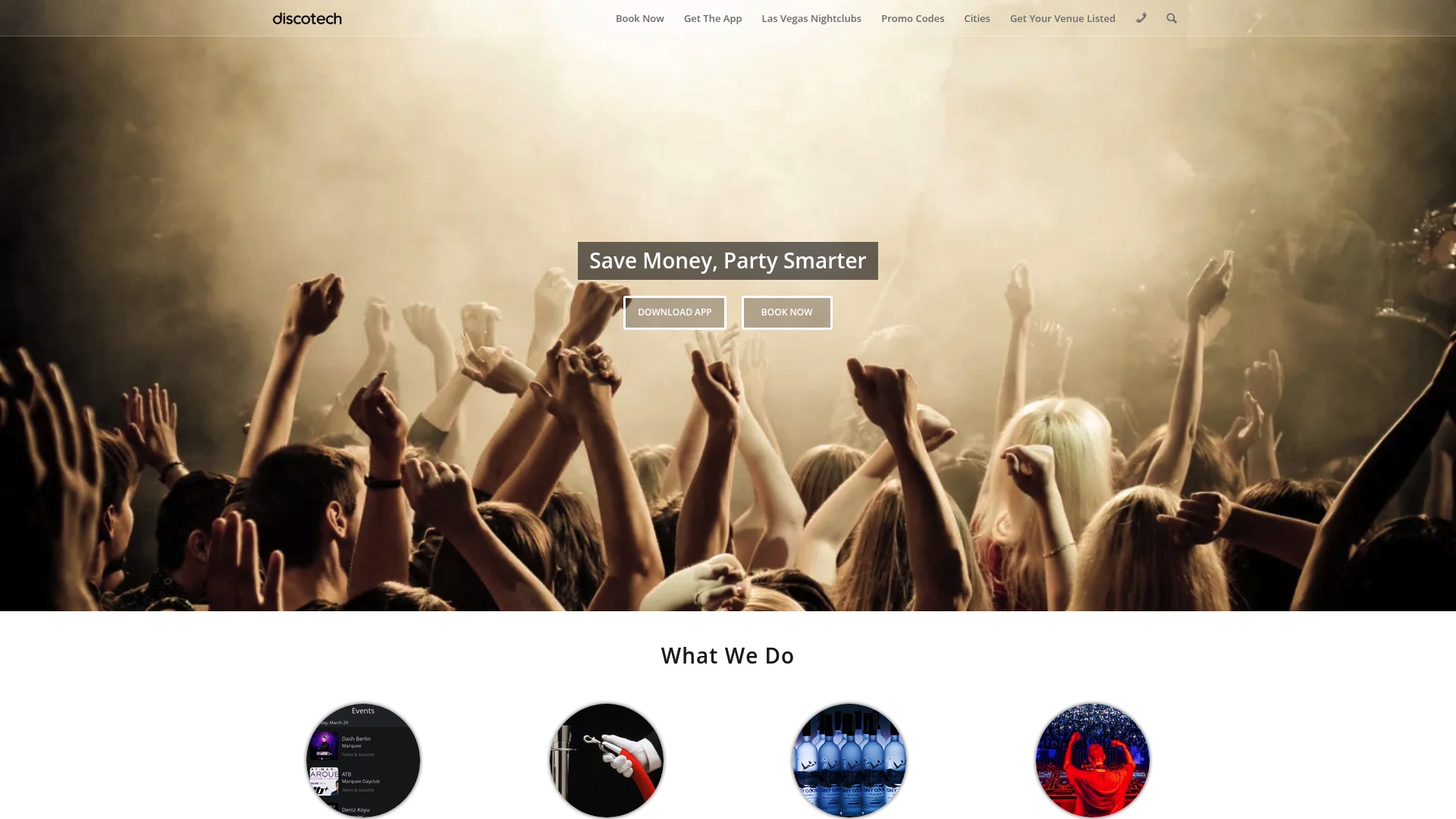
At a Glance
Exclusive perks such as free entry and open bars at select clubs appear as immediate bonuses in supported cities, not buried behind signup. The app pairs real-time event alerts with guest list access so you can lock entry and skip long lines on the night of.
Core Features
- Guest list registration for major clubs so members can request entry and receive confirmations without calling venues.
- Ticket booking for festivals and paid events with in-app purchase flows and digital receipts.
- Bottle service reservation and VIP table booking with access to venue floor plans where available.
- Event discovery and real-time updates for last-minute changes and added specials.
- Mobile-first interface that lets members manage reservations on the go.
Key Differentiator
Discotech centralizes discovery, booking, and on-the-ground access so a single member workflow handles both entry and table management. It targets consumers and small group organizers who want perks and quick confirmation rather than venue operators or enterprise event teams.
Pros
- Convenient guest flows reduce wait time; the guest list process cuts a common friction point for groups arriving late.
- Discovery tools surface trending nights and festival dates in major markets so you can plan inside a single app.
- Access to club perks like open bars and VIP entry improves the night out experience when venues participate.
- Mobile booking keeps reservation details, tickets, and entry confirmations in one place for each member.
- Having bottle service and table layouts inside the same profile simplifies conversations with hosts and promoters.
Cons
- Limited geographic coverage means the app is strongest in large U.S. cities and has patchy international support.
- Guest list access can be denied by venues at the door, creating last-minute disappointment for members who relied on the app.
- Some cities or venues offer reduced feature sets, so bottle service or floor plan access is not always available.
When It May Not Fit
If you organize multi-venue tours, corporate hospitality, or events that need on-site staff coordination, Discotech’s consumer focus will feel narrow. The platform expects venues to opt in, so your event may be unsupported if the city or club does not participate.
Who It’s For
Nightlife enthusiasts, small party organizers, and travelers who prioritize quick entry and perks in large urban centers. If you want to secure guest list spots, buy festival tickets, and handle table requests on your phone, this matches that use pattern.
Real World Use Case
A party of six in Las Vegas uses Discotech on their phones to join a guest list, buy two festival tickets, and reserve a VIP table with bottle service. Confirmations and digital tickets live in the app, which reduces door friction and keeps the group on schedule.
Website: https://discotech.me
PartyPlace

At a Glance
The vendor advertises instant reservation confirmation within 48 hours and the platform is entirely free for hosts, funded by venue partners. PartyPlace aggregates bars, rooftops, private rooms, and buyouts across New York City with upfront pricing to reduce back-and-forth planning.
Core Features
Search and book event spaces quickly using neighborhood filters and style categories. PartyPlace highlights clear cost details so you compare options without hidden fees.
- Frictionless venue discovery and real-time search across NYC neighborhoods.
- Upfront, transparent pricing shown on venue profiles with photo galleries.
- Instant reservation confirmation window and support for birthdays, corporate happy hours, and buyouts.
- Tools for venue owners to manage listings and receive high-intent bookings without listing fees.
Key Differentiator
PartyPlace positions itself as a performance-based, commission-driven marketplace that, according to the company, emphasizes high-quality, high-intent bookings for NYC venues. That model aligns the platform and venue incentives: hosts face no upfront charges while venues pay when bookings convert.
Pros
- Large, varied selection across Manhattan, Brooklyn, and Queens makes matching vibe to guest size straightforward. Photos and pricing reduce guesswork.
- The booking flow minimizes email negotiation. Seeing price and availability up front shortens planning time for busy hosts.
- No platform fees for hosts keeps total event cost more predictable than concierge services with hidden markups.
- Venue tools let owners update availability and accept bookings without upfront listing costs, which can increase supply quickly.
- The focus on high-intent bookings reduces low-quality inquiries, which venues often tell the company improves conversion rates.
Cons
- Venue profiles sometimes lack granular amenity detail or verified third-party reviews, so you may need direct follow-up for AV or catering rules.
- The broad listing approach means very niche spaces may be underrepresented or absent.
- The platform relies on venue partners to keep information current; responsiveness can vary by location and venue staff.
When It May Not Fit
If you need venues outside New York City, PartyPlace is unlikely to help. Likewise, planners requiring deeply custom or highly specialized spaces should expect extra outreach to confirm technical specs and policies. If you need peer reviews or exhaustive amenity lists before booking, this marketplace may feel light.
Who It’s For
New York City residents, small groups, and corporate teams who want a fast, transparent way to compare and reserve event spaces without hidden host fees. Venue owners seeking performance-driven bookings and no upfront listing costs will also find the model attractive.
Real World Use Case
A host planning a 50-person birthday filters for rooftop buyouts in their neighborhood, compares three options side by side, and places a reservation. PartyPlace handles the confirmation process and, per the vendor claim above, finalizes the booking within the 48-hour window so the host can move on to invitations and catering.
Pricing
Hosts use PartyPlace for free. Venue partners pay a performance-based fee or commission on bookings, and there are no upfront listing costs for venues. That structure shifts risk to venues and removes host-facing platform charges.
Website: https://partyplace.com
Crawler
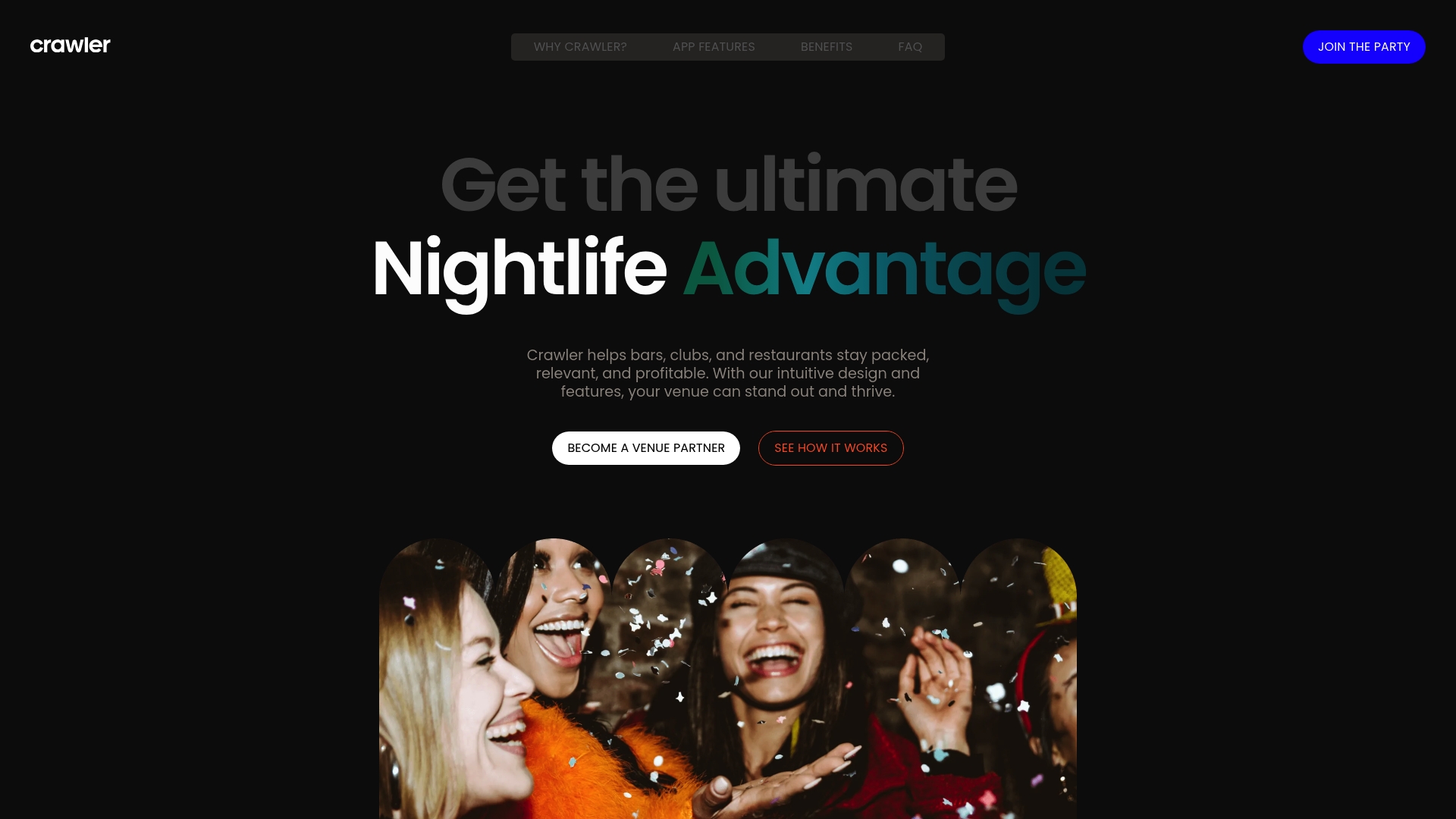
At a Glance
Free across all five boroughs of New York City, Crawler pairs venue promotions with live location signals to drive walk-in traffic for bars, clubs, and restaurants. It focuses on time-sensitive offers and member deals to influence immediate patron decisions.
Core Features
- Real-time location tracking for nearby venues so offers reach users when they are physically close.
- Exclusive “hot deals” and happy hours that appear to local nightlife seekers.
- Limited-time specials and member-only deals to reward repeat customers and grow loyalty.
- Partner event listings with promo codes to measure response from specific pushes.
- Automated promotion of top offers to customers in proximity to the venue.
Key Differentiator
Crawler centers its product on location-aware pushes tailored to nightlife hours rather than broader local commerce. The platform’s focus on late-evening timing and member incentives aims to convert nearby phone users into immediate patrons, a narrower angle than general discovery apps.
Pros
- Targets local demand in the moment. Sending offers when people are already nearby increases the chance of a spontaneous visit during slow nights.
- Provides simple actionable insights. Venue teams can see which promotions surface and when traffic spikes, useful for testing happy hour timings.
- Free access with no subscription friction lowers the barrier for smaller venues to try promotions without upfront cost.
- Covers all five boroughs of New York City, which helps multi-location operators run coordinated pushes across nearby neighborhoods.
- Supports partner event promo codes, allowing venues and promoters to track which campaigns actually drove attendance.
Cons
- Independent third-party review data is sparse. The available summaries point to limited external evidence of consistent strengths or weaknesses.
- With little documented user feedback, it is harder to judge long term reliability or the platform’s support responsiveness from outside sources.
- The product brief does not list integrations or APIs, which may complicate reporting workflows for venues that rely on POS or CRM exports.
Who It’s For
NYC nightlife venues that need low friction promotional tools to boost foot traffic and test offers in real time. Ideal for bars and small clubs that want member rewards and last-minute crowd building without committing to paid marketing channels.
Real World Use Case
A Manhattan bar with quiet Tuesdays uses Crawler to push a two-hour happy hour to users within a three block radius. Member-only drink discounts arrive on phones, several groups show up within an hour, and the bar tracks which promo codes were redeemed that night to refine future offers.
Website: https://joincrawler.com
The Scene
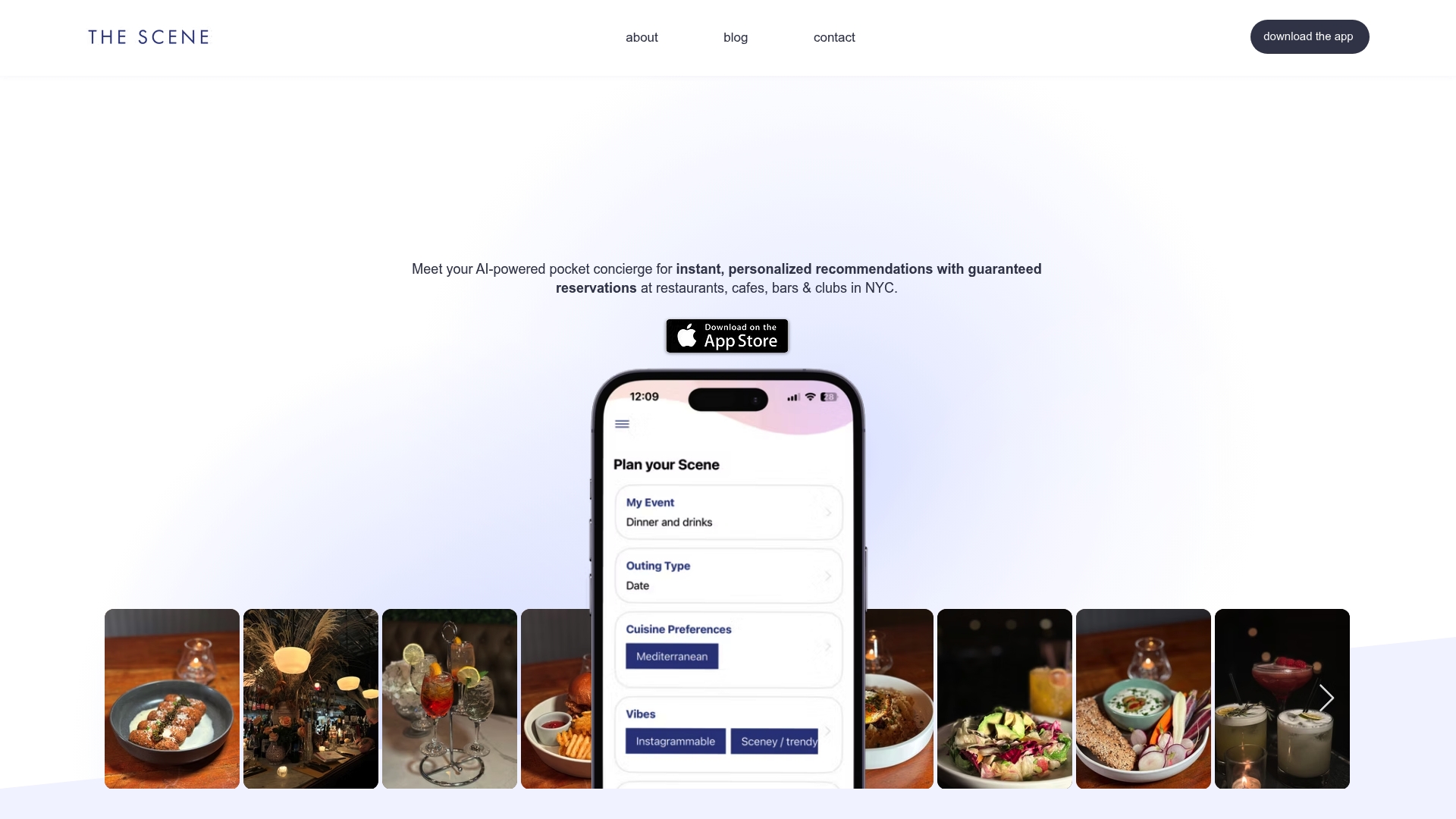
At a Glance
The vendor advertises guaranteed reservations at over 500 NYC venues, covering restaurants, bars, and clubs. The vendor also claims an AI matching process that returns vibe aligned options within seconds, turning a long search into a single interaction.
Core Features
The Scene pairs member profiles with a vibe driven curation layer that factors preference signals like atmosphere, occasion, and crowd energy. It offers guaranteed bookings at partner venues and includes nightlife options alongside dining picks.
Recommendations are delivered through a conversational interface that asks a few quick questions and then suggests matched spots with reservation confirmations. The app emphasizes speed and specificity for same night plans.
Key Differentiator
The Scene centers its community experience on precise, preference led matching and reservation guarantees. Where many forums trade lists and crowd reports, this service ties conversational member input directly to confirmed bookings, shortening the loop between discovery and a secured table.
Pros
-
Saves time by converting a short chat into a confirmed reservation, which reduces the back and forth most members face while planning a night out.
-
Includes nightlife and dining in the same flow, so you can plan a dinner plus a club visit without visiting separate services.
-
The vendor claims over 500 venues, which suggests broad partner coverage in NYC when that number is accurate.
-
Vibe focused filters let you ask for specific atmospheres, from low key to energetic, which helps when you need a precise fit for an event or date.
-
AI driven recommendations adapt to stated preferences rather than relying only on crowd ratings, so repeat requests refine future suggestions.
Cons
-
There are no public, detailed user reviews to verify reliability or member satisfaction, so claims rest on vendor reporting for now.
-
The app does not publish pricing or subscription details publicly, leaving uncertainty about per booking fees or member tiers.
-
Current scope appears limited to NYC, which limits usefulness for members planning outside the city.
When It May Not Fit
If you prefer a fully transparent marketplace with public reviews and posted rate cards, this approach will feel opaque. The Scene is also a poor match for members who need nationwide coverage or want to compare many user reviews before booking.
Who It’s For
NYC residents and visitors who prioritize a fast, curated booking experience and who prefer confirmed plans over searching multiple threads or review pages. Ideal for small groups, dates, and nights when last minute certainty matters.
Real World Use Case
You have a birthday dinner and a later bar visit. Answer three quick prompts about vibe, budget, and party size. The app returns two dinner options and a bar with reservation confirmations within minutes, so you share the plan with friends and buy tickets or arrange transport.
Website: https://thescene-app.com
OpenTable
At a Glance
OpenTable’s marketing materials report a network of over 65,000 restaurants worldwide, which makes it one of the broadest reservation marketplaces travelers and locals can search from one app. The platform centers on instant confirmations, curated lists, and community ratings to speed decision making.
Core Features
- Extensive filtering for cuisine, location, occasion, and dietary needs so you find the right table quickly.
- Instant confirmation and reservation management through app and website with calendar integration and automated reminders.
- Rewards program for repeat diners plus curated and trending lists that highlight neighborhood picks and special-occasion spots.
- User reviews and verified ratings to help validate a choice before you book.
Key Differentiator
A global network plus fast booking is OpenTable’s angle. The mix of broad restaurant coverage and immediate reservations makes it useful for spontaneous plans while traveling. That network claim above is the clearest reason people reach for OpenTable instead of local-only apps.
Pros
- Broad selection. The range of listings gives you options from casual to high-end dining in most big cities.
- Simple booking flow. OpenTable’s app and site make same-day reservations and calendar adds fast and low friction.
- Verified reviews. Community feedback helps you screen restaurants by real guest experiences rather than marketing blurbs.
- Curated lists. Occasion-focused lists save time when you need a romantic dinner, group seating, or neighborhood picks.
- Cross-device convenience. Reminders and calendar syncing cut down no-shows and missed reservations.
Cons
- Reliability concerns. Many users report lost reservations and unpredictable confirmations which undermines trust in time-sensitive plans.
- Customer support challenges. Reports of slow or unhelpful support make resolving booking mistakes more painful than it should be.
- Confusing billing and rewards. Users sometimes face unexpected cancellations or charges tied to the platform’s reward and billing flows.
- Occasional outages. System downtime has caused last-minute booking failures for some diners.
When It May Not Fit
If you cannot tolerate booking risk for a special night, a single failure is one too many. Service-oriented planners who need guaranteed bookings or rapid onsite changes may prefer direct phone reservations or a venue that handles all bookings in-house. Small neighborhood restos not listed on marketplaces will be absent.
Who It’s For
Tech-savvy diners and frequent travelers who value wide choice and quick confirmations. If you want community reviews, curated suggestions for occasions, and a single place to manage bookings across cities, OpenTable fits that workflow. It is less suited to diners who need ironclad reliability every time.
Real World Use Case
A frequent traveler uses OpenTable to discover highly rated local restaurants, lock a table with instant confirmation, and add the booking to their calendar. The platform speeds planning for a business trip or weekend visit even when schedules change, though occasional technical hiccups require backup plans.
Pricing
Free for diners to search and book. The vendor states some premium features or subscriptions may incur charges. Restaurants typically pay listing and reservation support fees to participate in the marketplace.
Website: https://opentable.com
Comparative Analysis
Choosing the right platform among those reviewed depends on your specific objectives, as each enhances its domain uniquely while presenting unique tradeoffs.
Where Pricing Transparency Shapes Decision-Making
Power Search NYC distinguishes itself with its fee transparency, allowing users to evaluate total costs inclusive of ancillary charges, ideal for transparent budget planning. Comparatively, PartyPlace offers upfront venue pricing, aiding users seeking an efficient venue booking process for events. A noticeable contrast is OpenTable’s effective display of menu prices across restaurants, aligning its system for diners seeking price-consistent dining options.
Matching Convenience with Specialized Use Cases
Regarding usability for organizing social outings, Discotech excels in providing guests with exclusive perks like complimentary club entries and streamlined VIP reservations. Meanwhile, Crawler focuses on hyper-local promotions, appealing to nightlife venues aiming to drive immediate traffic. Users of The Scene, on the other hand, appreciate its curated reservation recommendations alongside accurate vibe assessments, making it a strong contender for both nightlife and dining plans.
Best Fit scenarios:
- For users requiring a detailed breakdown of accommodation fees in New York City, Power Search NYC ensures transparency and planning confidence.
- Travelers seeking a streamlined club experience with perks like VIP access should consider Discotech.
- Event organizers desiring frictionless and rapid venue reservations within New York City benefit from PartyPlace’s features.
- Nightlife venues looking to attract nearby patrons will find Crawler effective for impactful promotions.
- Those prioritizing fast reservation guarantees that match specific dining and nightlife preferences should evaluate The Scene.
Our Pick: Power Search NYC
For exploring accommodations related to New York City with fee transparency and neighborhood-specific planning, Power Search NYC remains the leading tool. However, users organizing outings or seeking specific dining features may find unique advantages in the alternatives by focusing on their particular feature sets. As always, assessing the specifics of each platform in terms of their core offerings will ensure the best results for your intended outcomes.
NYC Hotel Search Tools Comparison
Finding the right platform to simplify hotel selection can streamline the planning process, especially when focusing on complete price transparency and granular amenity filters.
| Platform Name | Primary Use Case | Key Differentiator | Best For | Limitation |
|---|---|---|---|---|
| Power Search NYC | Advanced hotel and fee filtering | Fee transparency and real-time amenities matching | NYC visitors planning tailored stays | Limited to NYC and third-party partners |
| Discotech | Nightlife guest list and VIP booking | Club perks and integrated event tools | Nightlife enthusiasts and event organizers | Limited venue coverage outside large cities |
| PartyPlace | Event space browsing and booking | Transparent pricing without host fees | NYC groups seeking varied venue options | Granular detail on profiles sometimes lacking |
| Crawler | Nightlife venue promotions | Real-time proximity-based deals | NYC clubs and bars seeking localized outreach | Minimal third-party reviews available |
| The Scene | Curated dining and nightlife reservations | AI-driven vibe-matching recommendations | NYC locals needing quick plan confirmation | Details on member benefits unspecified |
Choose Powersearch for Transparent NYC Travel Planning
Looking for reliable tablelist.com alternatives that also help you plan your New York City trip with clarity and precision? Powersearch provides an exclusive focus on transparent hotel pricing, neighborhood insights, and filtering by amenities to eliminate hidden fees and surprise costs. Powersearch’s fee-filtering tools and curated travel guides give you control over your accommodation choices with honesty and ease.
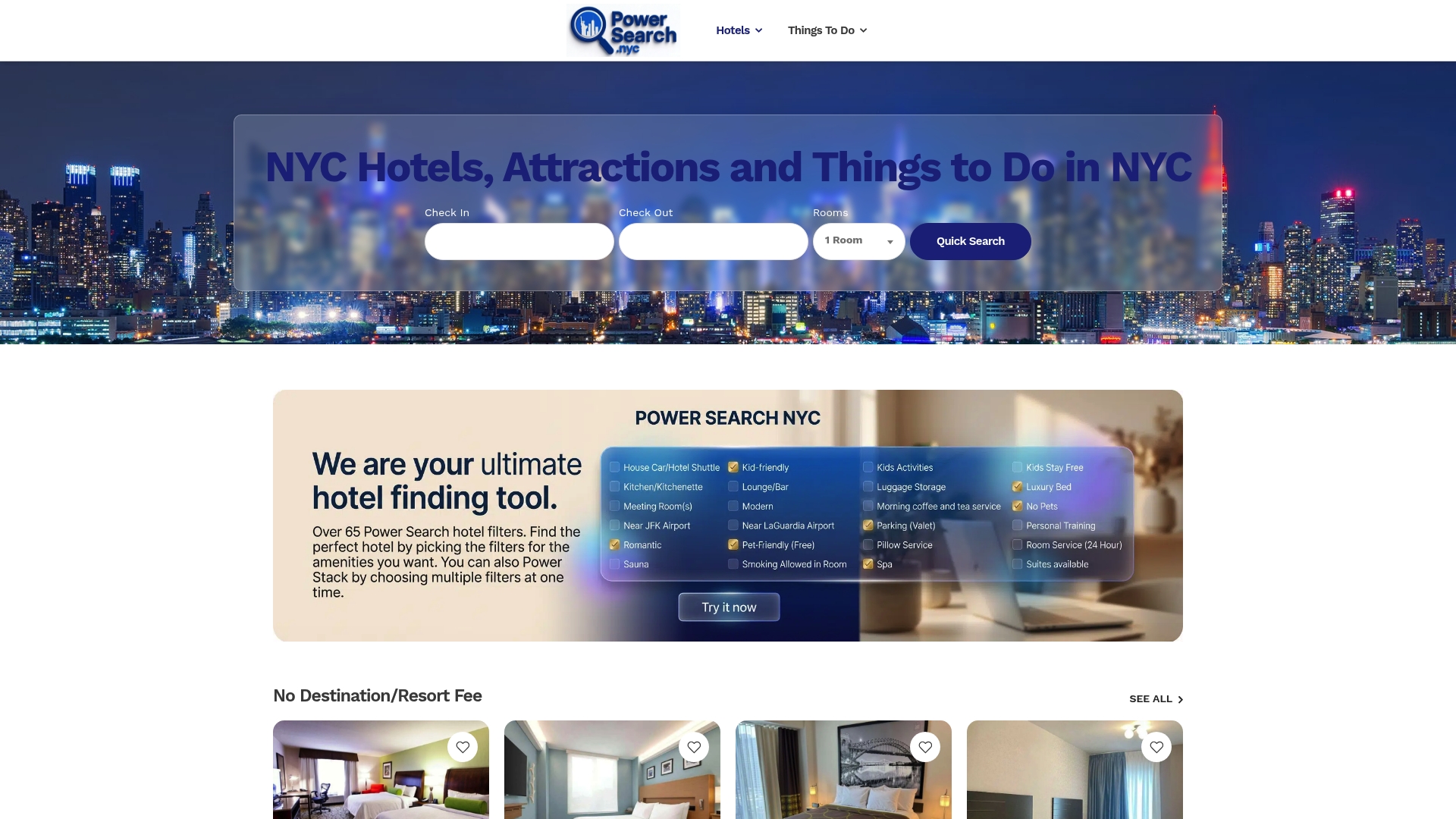
Stop guessing and start comparing total out-of-pocket hotel costs with Powersearch. Visit Powersearch NYC now to filter hotels by resort fees and neighborhood, find family-friendly stays, and access local attraction guides all in one place. Experience a smarter way to book NYC hotels with clear upfront pricing and travel tips that empower you to make informed decisions before you book.
Frequently Asked Questions
How does Power Search NYC enhance my hotel search experience in New York City?
Power Search NYC offers advanced hotel filtering options that allow users to narrow down results based on over 65 amenity tags, neighborhood proximity, and price band. This feature ensures that travelers can match their specific needs and preferences efficiently. Consider using Power Search NYC for a streamlined browsing experience tailored to your accommodation requirements.
What is the difference between Power Search NYC and Discotech in terms of user focus?
Discotech is focused on nightlife enthusiasts who prioritize quick entry and perks at clubs, providing guest list access and event notifications. Meanwhile, Power Search NYC is geared towards travelers looking for precise hotel cost comparisons in New York City, emphasizing fee transparency. If you’re interested in hotel accommodations, Power Search NYC is the better fit for your needs.
Can I filter for budget-friendly options using Power Search NYC?
Power Search NYC is specifically designed to help budget travelers find options that meet strict per-night budgets, taking into account transparent totals plus amenity filters. By using its fee filtering tools, you can easily identify listings that align with your financial constraints. This makes it a great choice for those who want to avoid unpleasant surprises at checkout.
Does Power Search NYC provide guidance on hidden charges?
Yes, Power Search NYC includes editorial guides that explain hidden charges and local trade-offs, such as resort fees and destination charges. This additional information allows travelers to make informed decisions before booking. For first-time visitors, this insight could greatly enhance their understanding of what to expect from their hotel experience.
How does Power Search NYC help with comparing hotels across different neighborhoods?
Power Search NYC organizes hotel listings by neighborhood and accommodation category, enabling users to compare options like boutique, suite, budget, or family-friendly hotels side by side. This feature helps travelers select hotels that are both appealing and conveniently located. Use Power Search NYC to find accommodations that best suit your needs within various NYC neighborhoods.
No Comments