
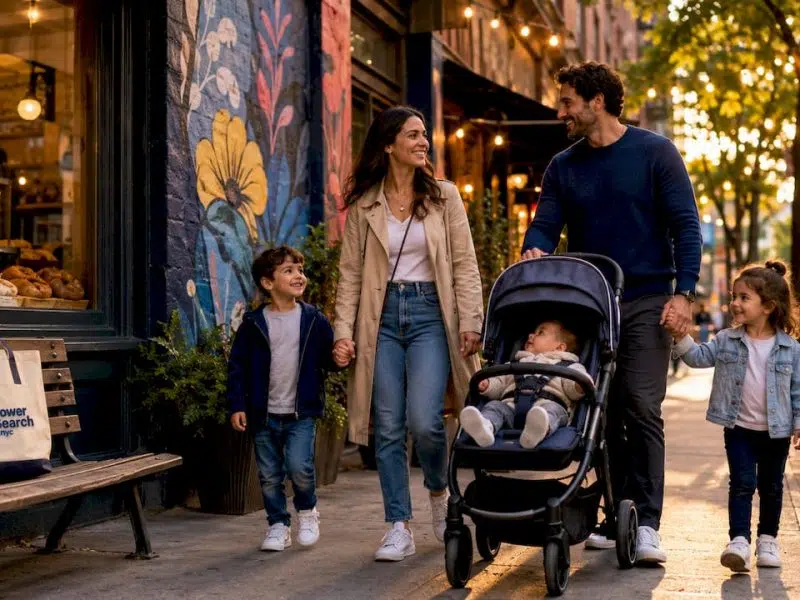
Why Stay in Upper West Side: Families’ Top Reasons
Disclosure: This post may contain affiliate links. We may earn a commission for purchases made through links in this post, at no cost to you.
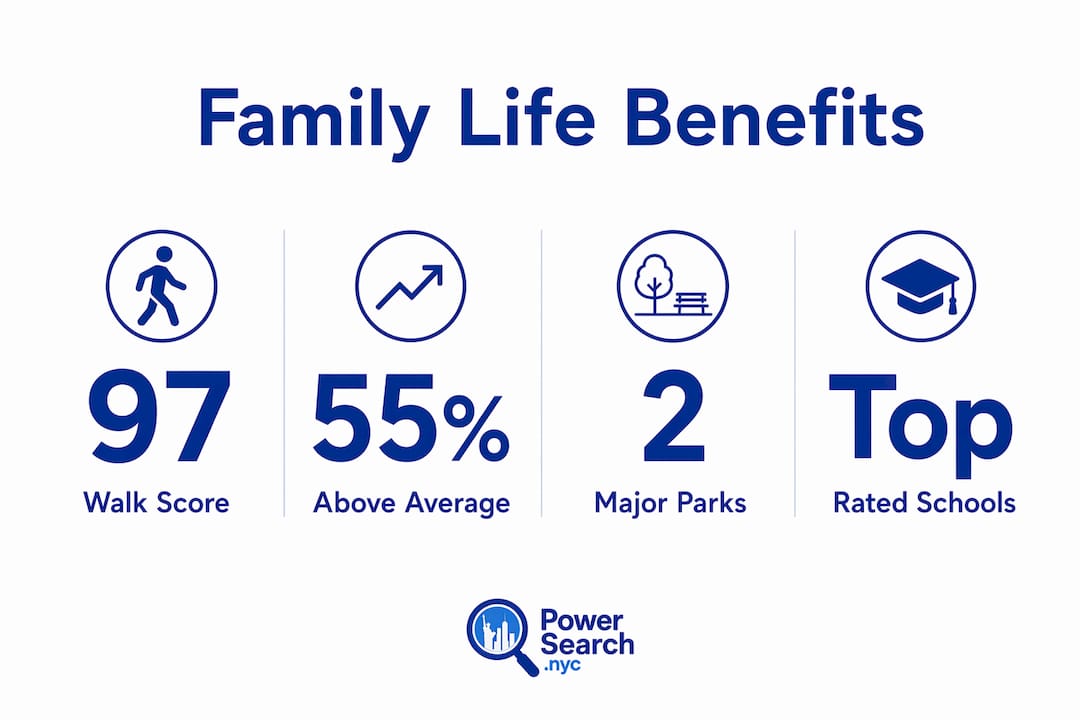
The Upper West Side is the most family-friendly neighborhood in Manhattan, combining walkable streets, top-rated schools, two major parks, and world-class cultural institutions in one livable package. Families considering an extended stay in New York City consistently choose this neighborhood because it feels like a real community, not a tourist corridor. The question of why stay in Upper West Side for families comes down to one core truth: this neighborhood is built for daily life, not just sightseeing. You can step outside, grab coffee, walk the kids to the park, and be back before 9:00 AM without touching a subway.
Why stay in Upper West Side: what makes it ideal for families
The Upper West Side scores nearly 55% above the Manhattan baseline for family-friendly practicality. That gap reflects real infrastructure: pediatric care, playgrounds, and strong public schools concentrated in a walkable area.
Schools and childcare
Public school options in the neighborhood are genuinely strong. PS 87, PS 166, and MS 54 are among the most sought-after public schools in Manhattan, and families in ZIP codes 10024 and 10025 have access to a growing pool of free early childhood programs. NYC is expanding 3-K seats across these ZIP codes, adding over 1,000 free spots citywide. That expansion directly reduces out-of-pocket childcare costs for families who stay or relocate here.
Parks and outdoor space
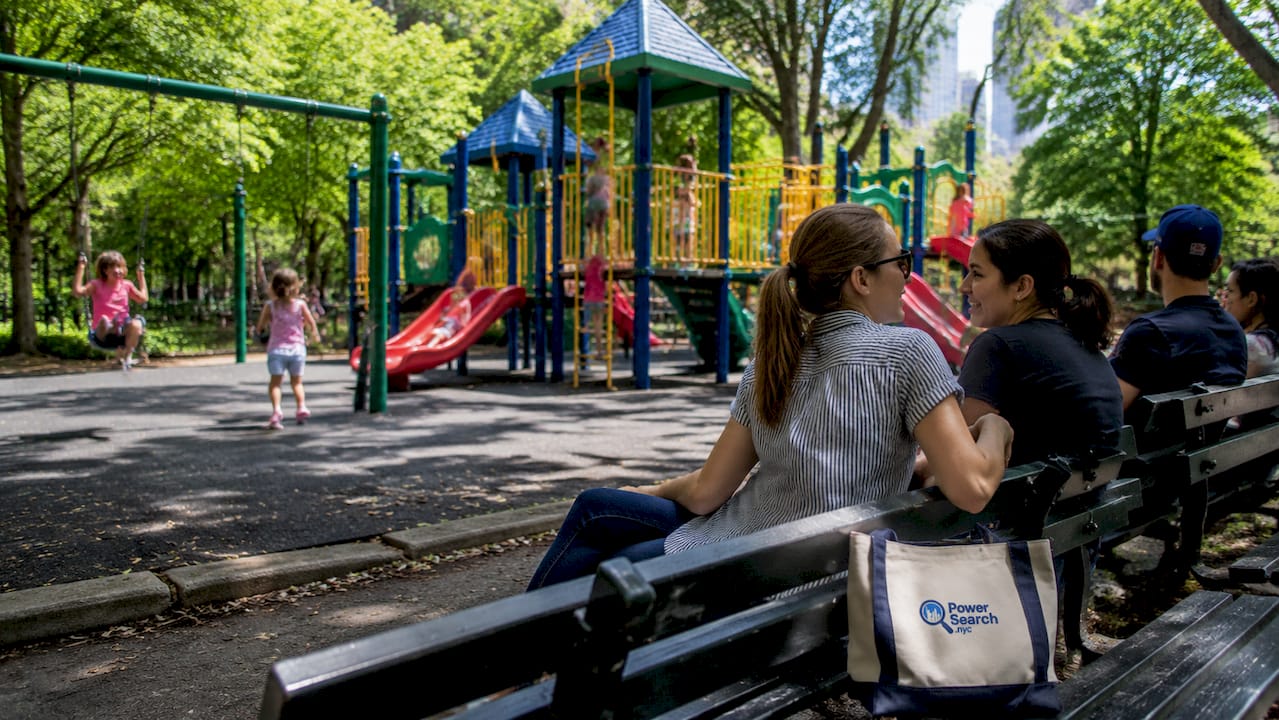
The neighborhood sits between Central Park to the east and Riverside Park to the west. That geography is not a coincidence for families. It means your kids have two completely different outdoor environments within a 10-minute walk. Central Park offers playgrounds, the Conservatory Garden, and the Great Lawn. Riverside Park gives you a quieter, more residential feel with waterfront paths and ball fields. Families who live between the parks describe their daily routine as genuinely walkable and grounded, not chaotic.
Safety and pediatric care
The Upper West Side maintains lower crime rates than most Manhattan neighborhoods. Pediatric practices, urgent care clinics, and family medicine offices are spread throughout the neighborhood, so you are never far from care when a kid gets sick. This density of family services is a big part of why the neighborhood earns a 9/10 for family practicality.
Pro Tip: If you are planning an extended stay with school-age children, contact the NYC Department of Education’s Family Welcome Centers early. They can walk you through enrollment options for temporary residents.
What cultural and community benefits do families get here?
The Upper West Side offers families something most Manhattan neighborhoods cannot: cultural institutions that function as neighborhood amenities, not tourist destinations.
The American Museum of Natural History sits right in the neighborhood. Locals walk past it on the way to the grocery store. For families, that proximity means museum family programs become a regular weekend option, not a special occasion. Lincoln Center is equally accessible, and it runs family-focused programming throughout the year, including free outdoor performances in summer.
“Families value living between Central Park and Riverside Park because it supports a lifestyle that blends calm, culture, and connectedness in a walkable Manhattan neighborhood.”
That community feel extends beyond the big institutions. The Upper West Side has a strong local identity. You will see the same faces at the farmers market on Columbus Avenue, the same kids at the playground on West 91st Street, and the same dog walkers on Riverside Drive every morning. That consistency builds a sense of belonging that is rare in a city this size.
Families also benefit from a dense network of local services:
- Independent bookstores like Book Culture on Broadway
- Kid-friendly restaurants along Amsterdam Avenue and Columbus Avenue
- Specialty grocery stores including Zabar’s and Fairway Market
- Family-oriented community centers and after-school programs
- Pediatric dentists, therapists, and tutoring centers within walking distance
This is a neighborhood where you can actually run your family’s life without a car or a long commute.
How does walkability and transit support families here?
The Upper West Side has a walk score of 97 out of 100. That is not a marketing claim. It means nearly every errand, school run, and weekend activity is reachable on foot. For families, that score translates directly into less stress and lower daily costs.
High walkability significantly reduces the need for car ownership, which in New York City means saving hundreds of dollars a month in parking and transportation fees. That financial relief matters for families on extended stays.
Transit options are equally strong. Here is what you have access to:
- 1, 2, and 3 subway lines running along Broadway, connecting you to Midtown in under 15 minutes
- B and C subway lines along Central Park West, ideal for reaching the East Side or downtown
- M10, M11, and M104 bus routes providing crosstown and north-south coverage
- Dedicated bike lanes along Riverside Drive and Central Park’s perimeter roads
- Playgrounds and rest stops built into the pedestrian routes between parks
The neighborhood’s street grid is also stroller-friendly. Wide sidewalks, frequent crosswalks, and low traffic on residential side streets make pushing a stroller or walking with young children genuinely manageable.
Pro Tip: The M10 bus along Central Park West is slower than the subway but gives kids a window seat view of the park. On a nice day, it is worth the extra few minutes.
Where within the Upper West Side should families stay or live?
The Upper West Side is not one uniform neighborhood. Different pockets suit different family priorities. Here is a practical breakdown:
| Area | Character | Best for |
|---|---|---|
| Central Park West (72nd to 86th St) | Prestigious, higher cost, park views | Families prioritizing park access and prestige |
| Broadway corridor | Lively, transit-rich, commercial | Families who want walkable shopping and dining |
| West End Ave to Riverside Drive | Quieter, tree-lined, residential | Families seeking calm streets and Riverside Park |
| Upper UWS (90th to 110th St) | More affordable, community-focused | Families on tighter budgets or longer stays |
Families aiming for green space and quiet streets generally prefer the blocks between West End Avenue and Riverside Drive. Housing there often costs less than Central Park West while still offering a peaceful, residential environment. The trade-off is that you are a longer walk from the 1/2/3 subway lines.
Noise is a real consideration. The neighborhood rates 7.2 out of 10 for noise, with louder conditions near Broadway and transit hubs. If you have young children who need quiet evenings, the side streets between West End Avenue and Riverside Drive are the right call. If you want maximum convenience and do not mind some street noise, the Broadway corridor delivers.
Housing types range from classic co-ops and prewar condos to brownstones and newer rental buildings. Co-ops tend to dominate the older stock and often have stricter rules about subletting, which matters for families on extended stays. Rental buildings and newer condos offer more flexibility.
Practical tips for families planning an Upper West Side stay
Getting the most out of this neighborhood takes a little preparation. Here are the most useful things to know before you arrive:
- School enrollment: Contact the NYC Department of Education directly if you have school-age children. Temporary residents can enroll in local public schools, and the 3-K expansion means free childcare options exist for three-year-olds in ZIP codes 10024 and 10025.
- Healthcare: Mount Sinai West and NewYork-Presbyterian are both accessible from the neighborhood. Pediatric practices are concentrated along Broadway and Amsterdam Avenue.
- Grocery shopping: Zabar’s, Fairway Market, and Trader Joe’s on 72nd Street cover most family grocery needs. For organic and specialty items, Whole Foods on Columbus Avenue is a reliable option.
- Kid-friendly dining: Shake Shack on Columbus, Sarabeth’s on Amsterdam, and Barney Greengrass on Amsterdam Avenue are local favorites that work well for families.
- Managing costs: The NYC Family Vacation Planning guide from Powersearch covers budgeting strategies for extended stays, including how to find family hotel suites with kitchen access to cut food costs.
The neighborhood’s density of services means you rarely need to leave for daily needs. That convenience compounds over a longer stay and makes the Upper West Side genuinely livable rather than just tolerable.
Key Takeaways
The Upper West Side is the strongest choice in Manhattan for families seeking a livable, walkable neighborhood with excellent schools, two major parks, and cultural institutions within walking distance.
| Point | Details |
|---|---|
| Family practicality score | The neighborhood scores nearly 55% above the Manhattan baseline for family-friendly infrastructure. |
| Free childcare expansion | Over 1,000 new 3-K seats added in ZIP codes 10024 and 10025, reducing childcare costs significantly. |
| Exceptional walkability | A walk score of 97/100 means most family errands and school runs require no car or subway. |
| Cultural access | The American Museum of Natural History and Lincoln Center function as neighborhood amenities, not tourist stops. |
| Neighborhood pockets | Quieter blocks between West End Avenue and Riverside Drive offer lower costs and a more residential feel. |
What I have learned from watching families choose the Upper West Side
I have spent years watching families weigh their NYC neighborhood options, and the Upper West Side wins for a reason that does not always show up in the data. It is one of the few Manhattan neighborhoods where you can actually feel the rhythm of a real community. You see it in the school pickup lines on West 87th Street, in the weekend crowds at the Riverside Park ball fields, and in the way locals treat the American Museum of Natural History like their personal backyard.
What surprises most families is how much the parks change daily life. Having two distinct green spaces within walking distance is not a luxury. It is a genuine quality-of-life advantage that reduces the tension of raising kids in a dense city. Central Park handles the big weekend outings. Riverside Park handles the Tuesday afternoon after-school run. That division of purpose is something families only discover after they arrive.
The one thing I would push back on is the assumption that the Upper West Side is too expensive for extended stays. The blocks west of West End Avenue offer real value, and the free 3-K expansion makes a meaningful difference for families with young children. When you factor in the savings from not owning a car and the density of free cultural programming, the neighborhood’s cost-of-living math shifts considerably. Families who do the full calculation often find it more affordable than they expected.
— Mark
Planning your Upper West Side family stay with Powersearch
Finding the right place to stay on the Upper West Side is easier when you know what to look for. Families on extended visits benefit most from hotel suites with separate sleeping areas, kitchen access, and proximity to parks or subway lines.
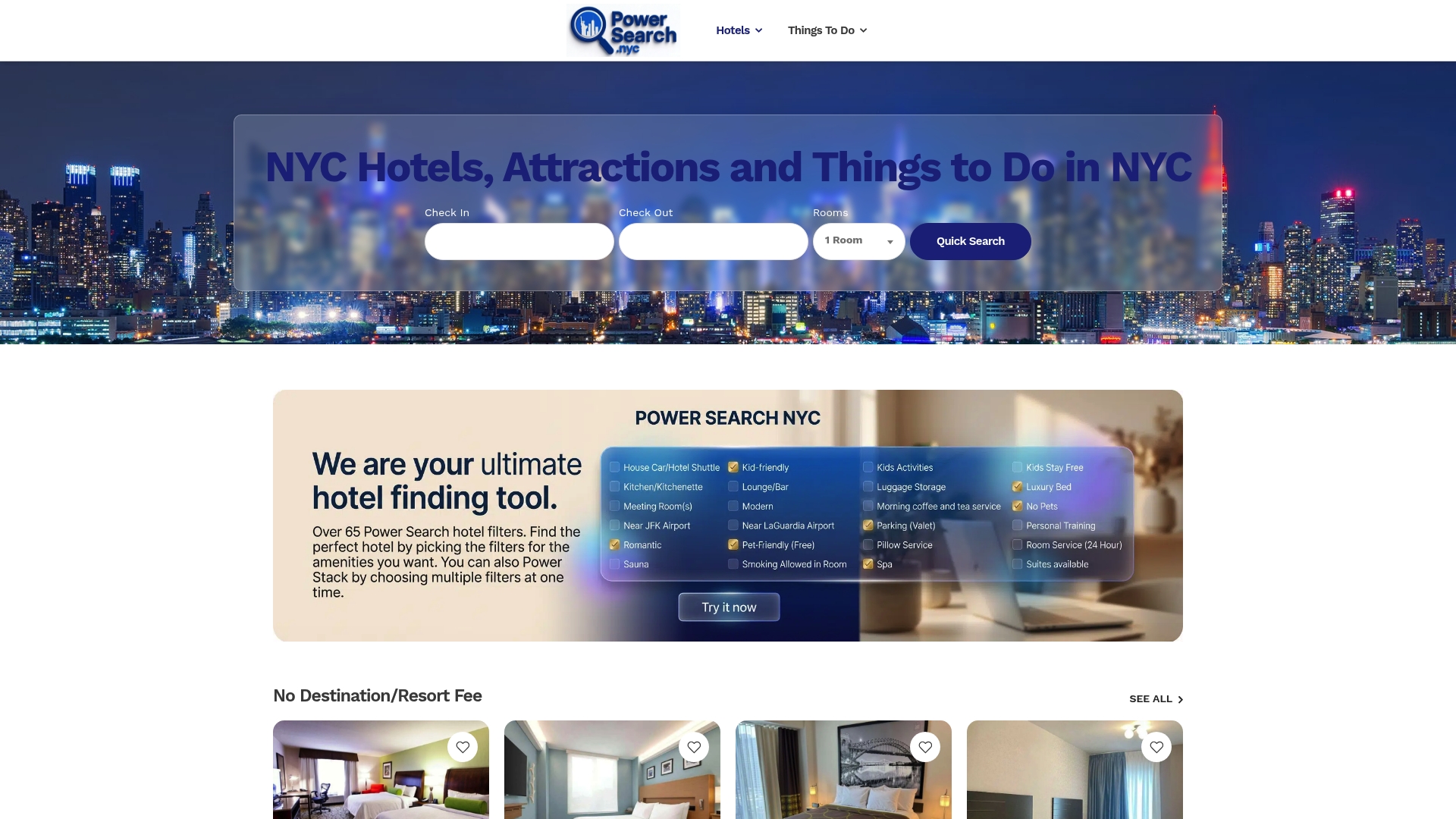
Powersearch makes it straightforward to filter NYC hotels by family-specific criteria, including suite configurations, neighborhood location, and amenities like in-room kitchens or pool access. The NYC hotel suite booking guide walks you through exactly what to look for when booking for a family, from room size to cancellation policies. You can also browse family-friendly Manhattan areas to compare the Upper West Side against other neighborhoods before you commit. Powersearch pulls real listings so you can see what is actually available, not just what sounds good in a brochure.
FAQ
What makes the Upper West Side good for families?
The Upper West Side combines top-rated public schools, two major parks, and a walk score of 97/100 in one walkable neighborhood. It also scores nearly 55% above the Manhattan baseline for family-friendly practicality.
Is free childcare available in the Upper West Side?
NYC has expanded its universal 3-K program to include ZIP codes 10024 and 10025, adding over 1,000 free seats citywide. Families with three-year-olds in these ZIP codes can apply through the NYC Department of Education.
Which part of the Upper West Side is quietest for families?
The blocks between West End Avenue and Riverside Drive offer the quietest residential environment. The neighborhood rates 7.2/10 for noise overall, with the loudest conditions near Broadway and transit hubs.
Do families need a car in the Upper West Side?
No. The neighborhood’s walk score of 97 means most daily needs are reachable on foot. Multiple subway lines and bus routes cover the rest, and high walkability significantly reduces the need for car ownership.
What cultural institutions are within walking distance for families?
The American Museum of Natural History and Lincoln Center are both located within the neighborhood. Residents can walk to museum family programs and Lincoln Center performances without leaving the Upper West Side.
No Comments